
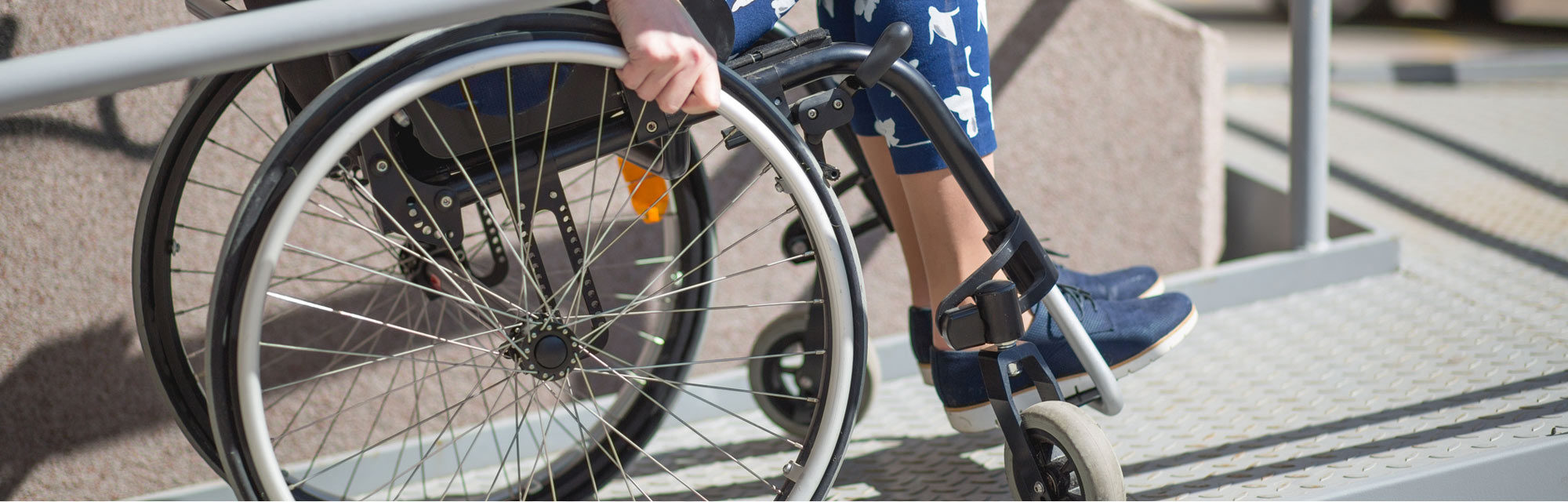
Understanding the Right Wheelchair Ramp Slope for Ice Season
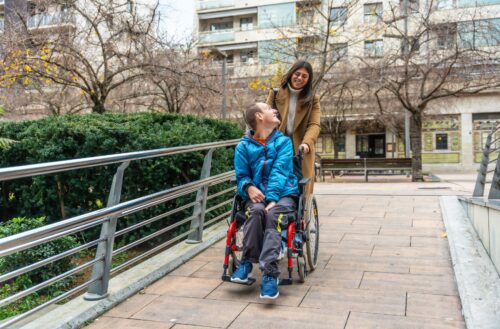
Winter in Ottawa, Ontario, can bring a lot more than just a change in temperature. By February, the ice has settled, sidewalks are packed, and driveways hold onto every bit of frozen buildup they can. If your wheelchair ramp does not have the right slope built into its design, keeping steady becomes harder with each passing day.
Snow and ice do not always play nice. They turn small slopes into steep slides. A ramp that feels fine in fall can become a problem once winter hits its peak. Getting the right wheelchair ramp slope matters all year, but during ice season, it plays an even bigger role in keeping people safe and moving.
Why Slope Matters More in Winter
In icy weather, every degree of incline has a bigger impact than most people expect. A ramp that felt manageable in warmer months might suddenly feel unstable, not because the ramp changed but because the conditions did.
- Ice has a way of exaggerating slopes. A small incline becomes much harder to climb or descend once traction is gone.
- Steeper ramps create a challenge for both the person using the chair and anyone helping. There is more effort involved and a greater chance of slipping.
- Caregivers who push wheelchairs are at higher risk during winter on ramps that are not balanced properly. When one person slips, both can fall.
Frozen conditions do not care how good the ramp looks on paper. Slope becomes more than a measurement, it affects how much control everyone has.
Finding a Safe and Comfortable Ramp Angle
There is no single number that works for every ramp, but there are general slope recommendations that most follow for safety. A gentle incline makes winter use feel a lot more secure.
- Gradual slopes give wheels a better chance to grip, even with slush or patchy snow on the surface. That extra traction can make a huge difference when trying to stop or turn.
- A safer slope also lets users hold their own balance. For manual wheelchairs, that matters more in cold weather when gloves might make it harder to feel the rims. For power chairs, too much angle can cause the wheels to spin or surge forward.
- When a ramp is built too steep for the height it is covering, it does not just feel sharp, it becomes a physical risk.
Ramp angles do not need to be guesswork. If the slope feels like you are pushing uphill or sliding down without brakes, it probably is not quite right for the conditions.
How Ice and Snow Affect Ramp Usage
Even a well-angled ramp can feel unsafe in winter. The problem starts when snow piles up or surface layers freeze overnight, changing how the ramp actually behaves.
- A thin layer of ice forms quickly, especially after a late-day melt and an overnight drop in temperature. It may be nearly invisible, but you will feel the difference with every step or wheel turn.
- Packed snow builds up around the ramp and slowly changes its slope. Each layer alters the launch point or landing height and often does not get scooped away properly.
- Wet surfaces that seem manageable during the day turn slick by morning. Even textured ramps can feel treacherous until they dry or get cleared.
These changes make winter a moving target. A slope that passed a safety check in early January might feel risky by early February without consistent upkeep.
Common Signs Your Ramp Slope Might Be a Problem
You do not always need measuring tools to know something is not quite right. The people using the ramp often feel it first. Some signs are obvious if you take a moment to notice.
- Users stop before reaching the top or bottom, asking for help more than usual. They are likely sensing that something feels off.
- Wheels slip despite slow movement, or users feel like they cannot control the ramp descent. Going uphill might require more force than they can manage.
- Anyone assisting says the ramp feels faster, harder, or riskier to use after snowfalls. If they are bracing themselves more, the slope may not be working under winter load.
If winter seems to bring out more hesitation around the ramp, slope could be one of the main reasons.
Staying Steady Without Rebuilding the Whole Ramp
You do not always need to start from scratch. Some adjustments can make a big difference in how safe your ramp feels during an icy Ottawa winter.
- Handrails can help restore balance and provide steadying points, especially if arms get tired or gloves reduce grip.
- Edge markers or visual lines help users better follow the path, especially when snow covers part of the surface. That small bit of guidance can keep wheels from sliding off-course.
- Clearing snow early, using safe traction products, and checking the ramp daily helps you notice changes before they become a bigger problem. Be careful with tools or salt that might damage the ramp surface or structure.
None of these replace proper slope planning, but they help in difficult months. Making ramps safer in winter is often about managing details, not doing a full rebuild.
Moving Safer Through Ottawa Winters
We know what February looks like in Ottawa, and we also know what access should feel like under those conditions. A ramp might be built the right way on paper, but if the slope does not match the terrain or the season, it becomes harder to use.
The right wheelchair ramp slope builds confidence. It lets people move with less fear of slipping or tipping and helps caregivers know they can guide without sudden struggles. It is a small adjustment in feet and degrees, but one that leaves a big footprint on winter safety.
When winter slope issues make it tough to enter and exit safely, we are ready to help find the right solution. The proper adjustments can make a noticeable difference, especially when icy conditions impact how your ramp performs each day. Our experience with Ottawa winters has shown just how important a proper wheelchair ramp slope is for maintaining stability and safety. At Regional Ramp, we focus on delivering solutions that suit your property and handle the challenges our local weather brings. Reach out to us to discuss the best setup for your space.