
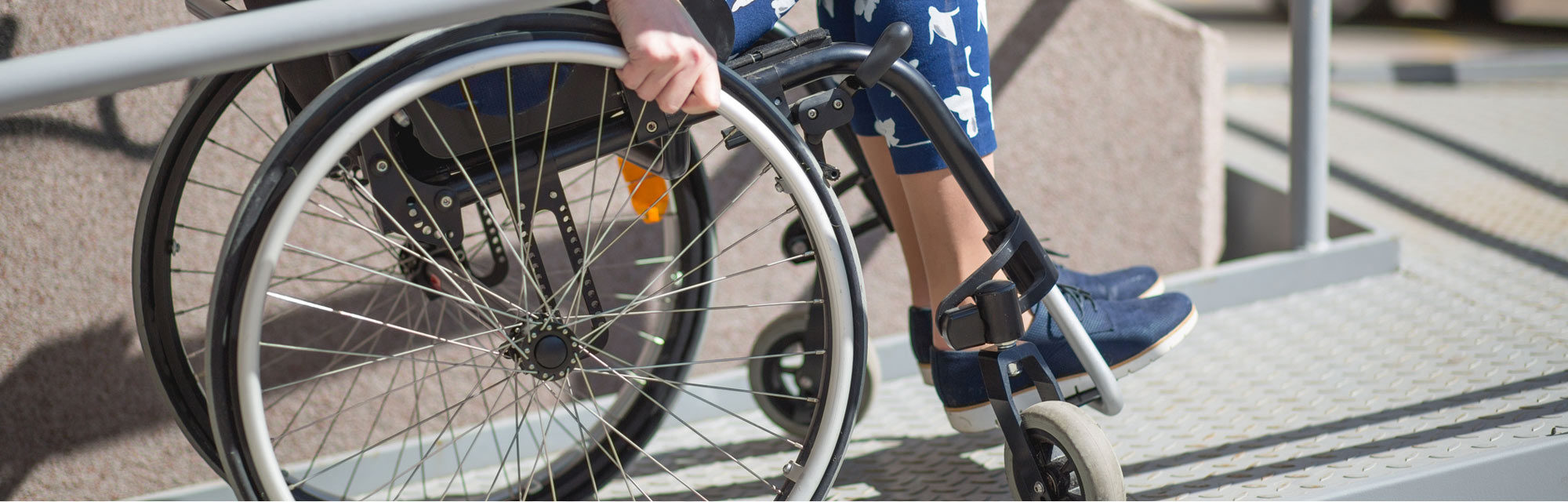
How to Use Wheelchair Ramp Rentals for Sports Events

Early spring can bring some patchy access challenges to Ottawa’s outdoor sports events. The fields are often still wet in places, parking lots aren’t always level, and the gear setup changes from week to week. For families, coaches, and volunteers supporting kids with mobility needs, these setups often mean last-minute problem solving.
That’s where a simple fix like a wheelchair ramp rental can make a big difference. Whether it’s a school track meet or a neighbourhood soccer tournament, temporary ramps help keep everyone included when the ground is uneven or the seating layout isn’t ideal. They don’t require long-term changes, and they can be moved as needed, which matters when spring weather keeps people guessing.
Planning for Outdoor Accessibility at Spring Events
In early April, fields in Ontario haven’t fully dried out yet. That combination of old snow runoff, soft turf, and hastily placed event seating can make it harder for older adults or anyone using a mobility aid to get around.
Here are a few areas where things often get tricky:
- Grass or dirt paths that lead to seating or entrances
- Soft, uneven ground near bleachers or tents
- Raised sidewalks or curbs in parking areas
- Temporary scaffolding around event tents
These aren’t usually spots that need permanent ramps, but they do call for better access when large groups are gathering. That’s when renting makes more sense. It keeps equipment on hand only when it’s needed and adds flexibility during unpredictable spring weeks. Planning one or two portable ramps into the event setup means you’re not scrambling once guests start arriving.
We always recommend giving access details a look ahead of time. That might mean bringing a few support items like wedges, mats, or foldable options for awkward terrains. The goal isn’t to redesign the event, just to make sure more people can enjoy it from start to finish. Checking the site before the day of the event can help identify trouble spots too. If there is a particularly muddy area or bump in a path, a portable ramp can fix that hassle for people arriving with strollers, walkers, or wheelchairs.
Where Ramps Make a Difference at Sporting Venues
Even basic setups like soccer games or track meets can come with a few tough spots. Some of the most common include:
- Transitions from pavement to grass fields
- Raised entry lips at portable washrooms
- Gaps near timing stations or announcement tents
- Median curbs in between scattered parking lots
- Space between bleachers and walkways
If a grandparent is arriving with a walker, or a student athlete uses a wheelchair off the field, one small barrier can interrupt the day. Portable ramps are helpful because they bridge these short but frustrating gaps. They let everyone roll, push, or walk through without added stress.
We’ve seen people use temporary ramps between a sidewalk and the grass to reach team tents. Others place short ramps at stage platforms for awards ceremonies or accessibility tents near athlete rest zones. These placements aren’t hard to set up but can change someone’s whole day for the better. Having several ramps on hand can make reconfiguring the site easier if the weather changes or if crowds shift throughout the event.
Choosing a Ramp That Handles Weather and Use
In spring, it’s important to pick gear that can hold up to wet days or mixed surfaces. A ramp that works well one week might wobble the next if the ground shifts or softens after a storm.
Here are a few features that help with early spring conditions:
- Non-slip surfaces that stay grippy when wet
- Side railings for extra push support in muddy areas
- Wider platforms for safe foot clearance
- Adjustable inclines that match different steps or edges
We always look at what the ramp will sit on. Soft grass needs a wider base or anchor support. Anything headed onto gravel or uneven parking needs good foot traction. Weather-resistant ramps, especially those made of aluminum or treated composite, hold up better when things stay wet for a few days.
Size matters too. If the ramp’s too long or narrow, it can become more of a hazard than a help. That’s why thinking through ground conditions and event flow helps when choosing a setup. Consider how many people or mobility aids will use the ramp at once, and check that it fits in the intended spot without causing backups elsewhere. If spectators will be entering and leaving throughout the day, make sure the ramp location won’t slow everything down or block key walking routes.
Rules, Safety, and Setup Tips for Event Use
Not every field or sports site is the same, but there are a few safety habits that work nearly everywhere. Whether you’re organizing the event or helping a friend or family member get ready, these reminders help the day run smoother.
- Check for dry, level ground before placing the ramp
- Use ramps on flat surfaces whenever possible
- Inspect the underside so nothing rocks or lifts during use
- Clear away mud, leaves, or grass build-up throughout the day
- Work with staff or volunteers to keep entrance areas open and easy to see
Sometimes, ramps shift after lots of use. It’s a good idea to take a look at them partway through game day. Even something small, like adjusting angle or checking for trapped grass, helps stop slips or jams.
It helps when volunteers know exactly where the ramps are and can go check them when needed. Walking routes should be marked clearly and kept wide enough for movement in both directions. This kind of coordination becomes easier when access planning is done before setup begins, not once the field is already busy.
If the event will last several hours, be sure ramps are checked between activities to ensure they remain safe, clear, and in place, especially if the weather changes or people are tracking in mud. If heavy rain is expected, bring towels or a brush to keep ramps dry or non-slip.
Make Game Days More Welcoming for Everyone
Spring sports should bring people together. Whether it’s kids playing their first match or families cheering from the sidelines, these moments matter. It’s frustrating when someone misses out or watches from the car because the site wasn’t ready for their mobility needs.
Small updates, like a well-placed ramp, fix a lot of those worries. They give people a way in, literally, and make it clear that they were expected and welcomed.
As Ottawa’s outdoor event season kicks off in early April, now’s a smart time to think through access points at local fields or school grounds. Getting ahead of the weather and the planning helps set a tone where everyone feels included from the start. When the setup puts comfort and ease first, people focus less on the obstacles and more on enjoying the game.
Adding a little extra time for accessibility goes a long way for families and athletes. Even if the event is smaller or at a familiar site, checking access every spring helps spot new issues, like ground shifts from snow melt or construction near parking lots. In the end, planning for better access isn’t only about rules, it’s about making sure everyone feels confident showing up and joining in.
Spring games around Ottawa are the perfect opportunity to make your event setup more welcoming with some thoughtful access planning. We’ve seen how having the right equipment takes the stress out of game day and keeps everything running smoothly. A well-placed wheelchair ramp rental can bridge tricky gaps and adapt to changing weather or uneven ground. At Regional Ramp, we’re ready to help you find the best fit for your venue, give us a call and let’s talk about your needs.