
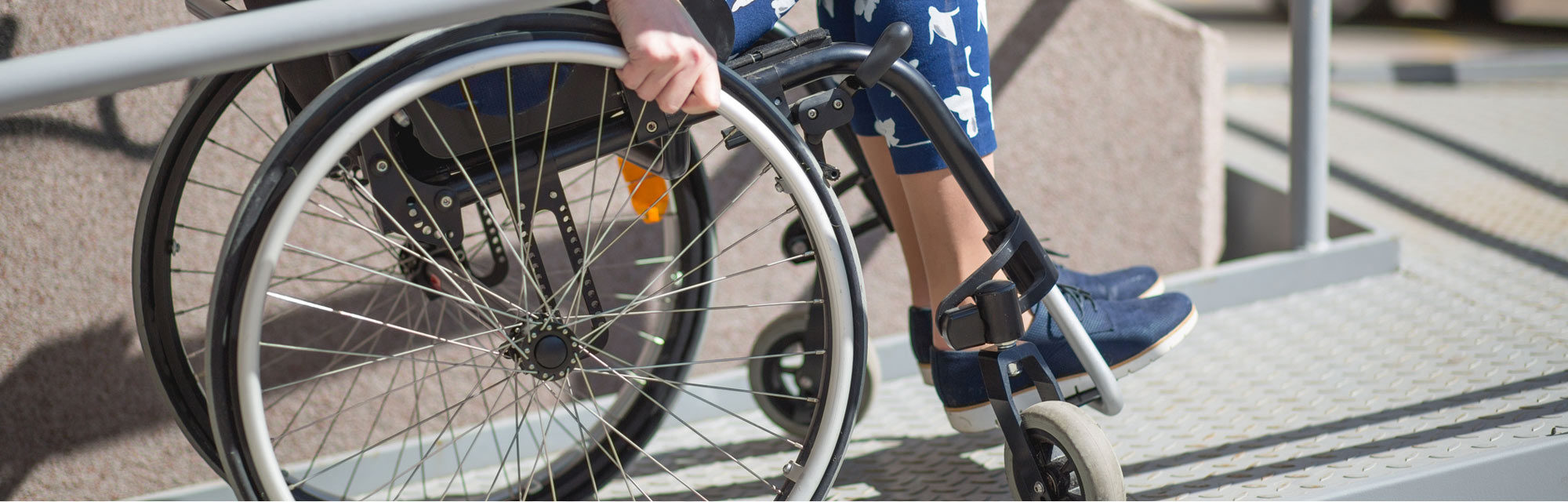
Wheelchair Ramp Slope Best Practices for Driveway Access

Summer’s easier weather makes it the right time to take on outdoor upgrades, especially here in Ottawa, where long winters can wear down ramps and driveways. Many of us start repair and improvement work now to avoid unexpected issues during the colder months. One job that takes extra focus is making sure a new ramp sits properly when it meets a sloped or curved driveway.
Planning out a wheelchair ramp slope isn’t just about safety. It’s about everyday comfort, movement, and trust that the path into or out of the home won’t feel unsteady. A driveway can add complexity with its own grade and surface behaviour, so it’s worth taking time now to plan for how everything will line up smoothly.
Understanding How Slope Affects Ramp Performance
Slope is just the angle of incline, but how steep that incline feels makes all the difference. For ramps, it’s usually measured as a ratio or percentage. A gentler slope gives easier movement and safer control. A steeper one can lead to spinning wheels, added strain, or shaky descents.
Driveway ramps bring more to think about because the surface they meet is already tilted. Whether the driveway dips toward the street, curves, or rises toward the entry, that angle can combine with the ramp to create a sharper slope than expected. This is where small missteps in planning can lead to harder entries or exits.
We always watch how these natural angles add up. A subtle driveway slope might not seem like much, but paired with a ramp, it can become steeper than people realize. That’s when good planning turns into steady access.
Driveway Conditions That Influence Ramp Setup
Not all driveways give the same foundation. The material makes a big difference in both traction and how a ramp settles over time.
- Asphalt usually gives decent grip, but it softens in heat and may shift slightly under load.
- Concrete is firm and stable but can crack near the surface when seasons change.
- Pavers often shift under their own weight or create uneven transitions unless properly tucked in.
In summer, heat expands driveway materials, heavy rain can pool or wash through small cracks, and dry spells may lead to gaps where the ramp meets the driveway. We watch where water tends to collect and note which side stays shaded or hot throughout the day.
Every ramp should also consider its final edge. A curved driveway needs a different landing edge than a flat one. Even a 2 or 3 inch bump between ramp and driveway can become a problem for smaller wheels or mobility aids. That’s why planning smooth transitions matters from the very first step.
Best Practices for Measuring Space and Slope
Getting accurate measurements starts with checking how much space is available and how steep the ground already is. Measuring slope means marking two points, one at the top and one at the base, and checking height change over total run. When we measure down a driveway toward a landing spot, we look for both length and grade.
Here’s how we approach it:
- Measure total height from entry to where the ramp might touch the driveway.
- Measure the total run (horizontal distance) we’d need to build that angle.
- Use basic ratios to make sure the ramp doesn’t end up too steep for daily use.
A longer ramp means a gentler slope, but some driveways don’t give us much room. That’s why we measure in dry conditions. Water runoff, wet spots, or shifting surfaces make it harder to get clear results. Summer gives the best chance at getting those numbers right.
Different users also need different slopes. For some, a basic gradual rise is fine. Others might need a much milder angle to feel steady over the full length. We match our slope to the user, not just the property.
Regional Ramp’s experience with driveways in Ottawa means we know how to customize each ramp’s length and angle so it works for homes with limited space. We offer both modular aluminum and custom-built ramps that can be fitted to concrete, asphalt, or patio-style landings, helping avoid issues with shifting or surface cracks. Our assessments always include checking best placement and edge transition to reduce bumps and uneven joins.
Safety Features and Modifications for Sloped Driveways
Even with careful measuring, some driveways create tight spaces or sloped transitions that add a bit of risk. That’s where added safety features come in to boost daily use.
- Raised edge guards help stop wheels from slipping off on tighter angles.
- Anti-slip surfacing adds grip when rain or dew collects.
- Tie-downs stop the ramp from shifting on softer or uneven ground.
- Handrails make control easier, especially if the full transition includes both ramp and sloped driveway.
For ramps closer to ground level, side barriers help keep movement straight and predictable. We’ve seen how even small lever pushes can veer wheels off track if the slope isn’t totally flat.
As for materials, some stand up better during summer and others through freezing rain. We check both before choosing what goes where. In Ottawa, where the seasons shift hard, each material needs to hold its shape and grip wet or frozen conditions that might build up later.
Regional Ramp ensures that all permanent and portable ramps come with safety options like edge protection, handrails, or slip-resistant treads, and our team can recommend which features fit your location based on site visits around Ottawa, Ontario.
Planning for Year-Round Access in Ottawa
Summer gives us the space and time to fix what winter may have made harder. That’s why this part of the year is so valuable for permanent access improvements. Before leaves fall or snow starts piling up again, ramps should already be doing their job well.
Winters in Ottawa are rough on everything outdoors. Snow plows push up piles near driveways, road salt eats away at ramp bases, and repeated freeze thaw cycles make even the most solid ground shift slightly over time. Getting the slope right now means lower chances of icy runoffs, water collecting at ramp bottoms, or sudden dips forming where a ramp meets the driveway.
If we handle slope planning during dry, warm months, we’re far better prepared. When cold weather comes back, there’s less adjusting or patching needed.
Smooth Transitions Start with the Right Slope
A driveway ramp doesn’t work if it only looks fine on day one. It needs a setup that stays steady across hot pavement in July and snow packed paths in January. That starts with the right slope. Slope is what makes every entry feel stable, every descent feel safe, and every trip feel calmer, whether it’s for a resident or a visitor.
Proper slope planning gives more than just strength. It gives peace of mind. And when we take the time in summer to get the setup right, measuring, adjusting, bracing, we make it easier for that ramp to stay useful and comfortable all year round.
Adding a ramp to a sloped driveway in Ottawa takes thoughtful planning, especially with changing weather conditions. We help you select the best angle, length, and materials to keep access safe and reliable all year. Take a closer look at how we approach wheelchair ramp slope solutions that match comfort with your property’s unique layout. At Regional Ramp, we’re here to make access smoother through every season, contact us when you’re ready to get started.