
When a Ramp Installer Should Reassess a Home Entry
A home entry that felt easy to use in summer can become challenging once Canadian winter weather arrives. Snow, ice, wet boots, shorter days, and freeze-thaw cycles can reveal problems that were not obvious earlier in the year. A reassessment does not mean the original ramp was a poor choice. Often, it simply means the property, weather conditions, or mobility needs have changed.
At Regional Ramp, we encourage families to review access before it becomes an emergency. Planning ahead gives you time to consider ramp placement, handrails, drainage, landing space, and temporary access options before an icy morning turns a small concern into a serious barrier.
Protect Safe Access Before Winter Conditions Worsen
Winter can put extra strain on every part of an entry route. A clear path may become narrow after snowfalls. A level-looking landing may hold water that later freezes. Even a sturdy set of steps can be harder to manage when someone is carrying groceries, using a cane, or helping a loved one through the doorway.
Early review gives you more choices. Rather than making a rushed decision after a fall, injury, hospital discharge, or mobility change, you can look at the entry as a whole and decide what will work best through the colder months.
Depending on the situation, we may look at options such as:
- A permanent ramp for long-term access needs
- Handrails that provide better support along the route
- A revised ramp layout with more room at the doorway
- A short-term rental ramp for recovery or temporary care
- Next-day installation availability when access needs arise quickly
The goal is not simply to get from the driveway to the door. It is to create a route that feels dependable when weather, mobility, and daily routines are less predictable.
Signs a Ramp Installer Should Reassess the Entry
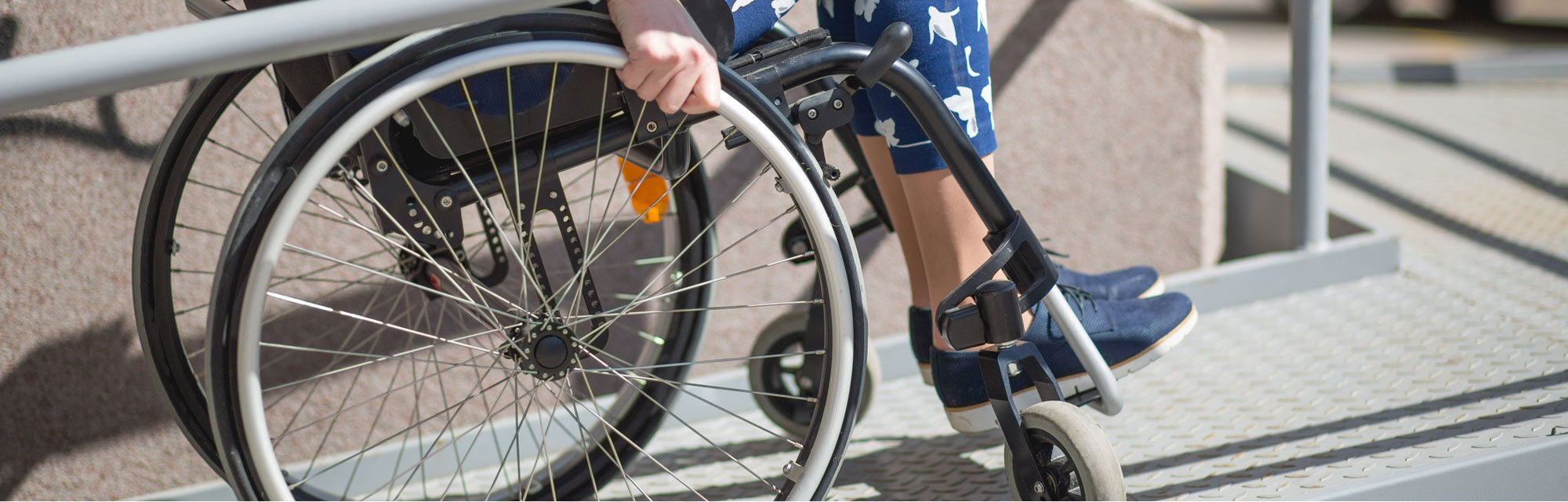
The clearest sign is a change in how someone moves through the space. If you or a family member has started using a walker, wheelchair, scooter, cane, or caregiver support, the current entrance may no longer suit the way it is being used. A route that once worked for a person walking independently may need more width, a gentler slope, a larger landing, or handrails in different locations.
We also recommend looking closely at the surfaces around the entrance. Small signs of wear can create bigger problems once rain and freezing temperatures arrive. Cracked concrete, shifting pavers, loose rails, worn wood, uneven thresholds, and sinking ground can all affect stability at the ramp and doorway transitions.
Daily traffic is another reason for a review. An entry may be technically usable but still feel cramped when family members, personal support workers, health practitioners, or delivery personnel are coming and going. There needs to be enough room to open the door, turn mobility devices, carry equipment, and assist someone safely.
A reassessment is especially useful when you notice any of these concerns:
- A wheelchair or walker feels tight on the existing route
- The door is difficult to open while using a mobility device
- The landing does not leave enough turning room
- Handrails feel loose, too short, or poorly placed
- Several people struggle to move through the entrance together
Drainage and Winter Hazards Can Change the Right Solution
Water management matters greatly around accessible entries. Rainwater, melting snow, and ice often collect near doors, landings, and ramp transitions. When water pools in these spots, it can create slippery footing, wear down materials, and make a route less reliable for someone with limited mobility.
During an assessment, we look beyond the ramp surface itself. Changes in grading, landscaping, eavestroughs, downspouts, and nearby concrete or paved areas can send water toward the entry. A small change to a driveway or garden bed can affect where runoff goes after a storm.
Snow clearing also needs to be practical. A ramp should allow enough space for safe snow removal without damaging the surface or leaving packed snow near the door. Clear approach areas, stable landings, and well-placed handrails can make winter maintenance easier and help reduce risk during darker mornings and evenings.
Lighting deserves attention too. If you leave home before sunrise or return after sunset, poor visibility can make uneven ground, ice, and narrow turning areas harder to spot. A full entry review considers how the route works in real conditions, not only when it is dry and bright outside.
A Ramp Installer Can Spot Changes in Daily Needs
Access needs are not always permanent. Recovery after surgery, illness, injury, or rehabilitation may create a temporary need for a safer entrance. In other cases, a visiting relative or short-term care arrangement may mean the home needs accessible entry for a limited period.
For those situations, a rental ramp may be a practical option. Short-term ramp rentals can provide a safer route without requiring a permanent modification when the need is expected to change. They can also help families respond when mobility needs appear unexpectedly.
Caregiver use should be part of the conversation as well. A route that feels manageable for one person may become difficult when another person is guiding a wheelchair, steadying someone with a walker, or carrying medical equipment. We consider the room needed to turn, pause, open doors, and move safely without forcing either person into an awkward position.
A thoughtful review can help answer practical questions, including whether the entry has enough room for a mobility device, whether handrails support the natural path of travel, and whether the landing allows a caregiver to assist without blocking the doorway.
Review the Full Route Before Access Becomes Urgent
Changes around the home can affect an existing ramp even when the ramp itself has not changed. A new door, porch addition, driveway repair, deck, fence, gate, or landscaping project may reduce clear space or create an unexpected obstacle. Even a replacement door can alter the threshold height, swing direction, and clearance needed to enter safely.
That is why we review the complete path, from accessible parking, sidewalks, or the driveway through to the doorway. The route should be stable, reasonably clear, and free from trip hazards. Curbs, uneven ground, steps, gates, poor lighting, and long travel distances can all make the entrance harder to use.
A proactive entry review gives you time to make calm, informed choices. The right solution may involve a permanent ramp, improved handrails, a revised route, or a short-term rental. Safe, dignified access should not depend on waiting for the first snowfall or a sudden change in mobility.
Get Clear Guidance for Your Entry
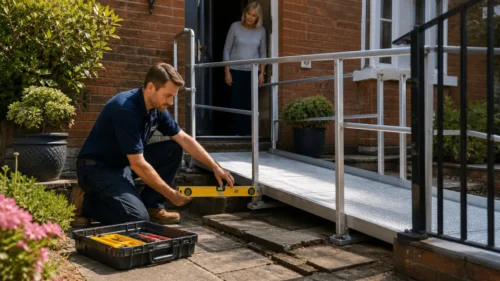
Regional Ramp can assess your current setup and help you choose an access solution that fits your home and mobility needs. Work with an experienced ramp installer to identify practical improvements before access becomes more difficult. To discuss your entry, contact us for a personalized recommendation.