
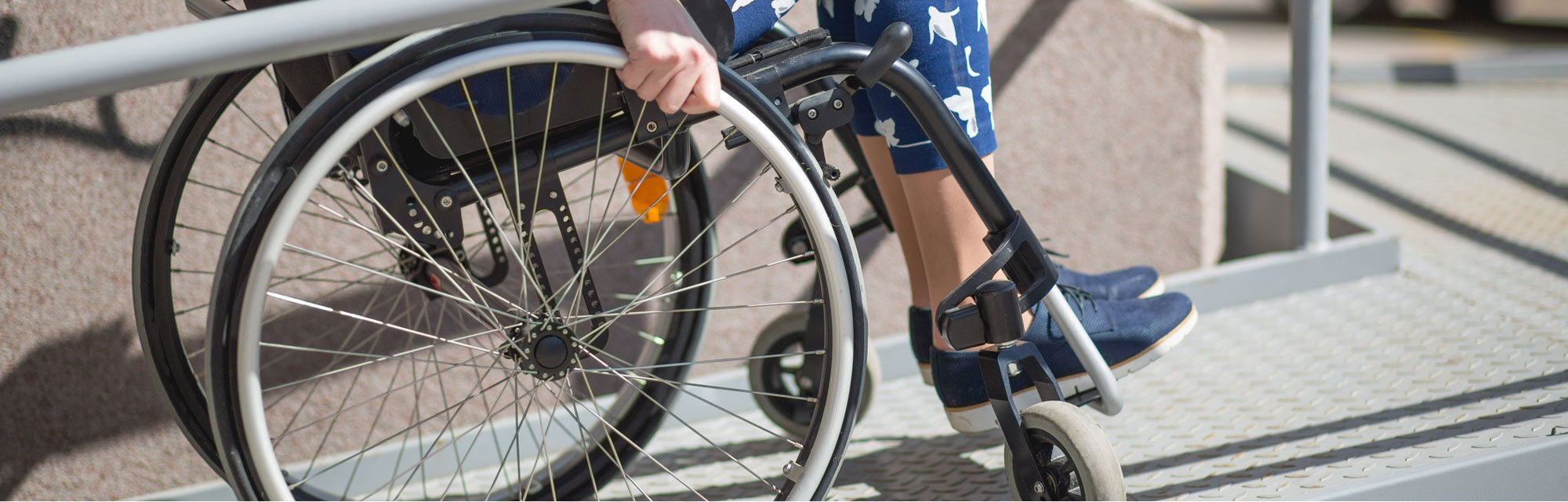
Fixing Obstacle Access with Handicapped Ramps in Shared Spaces
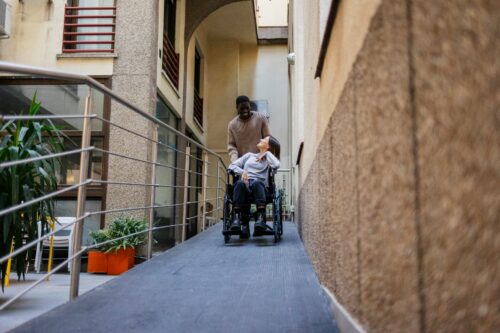
Shared spaces like parks, campuses, cabins, and community centres can be tricky when it comes to accessibility. These areas aren’t always designed with everyone’s movement in mind. For someone using a wheelchair, walker, or stroller, even a single step or patch of gravel can turn into a real barrier.
As summer closes in and late-August events pick up, more people gather at places that might only see heavy use for a few weeks. Whether it’s a public BBQ, an end-of-season school program, or just more foot traffic around campuses, the cracks really start to show. Stairs without railings, narrow entry points, and rough paths make it tougher for people to move freely.
Having well-placed handicapped ramps can seriously improve access in these conditions. They bridge uneven spots, keep traffic flowing, and make sure movement stays safe and equal. Whether temporary or semi-permanent, ramps can fix those everyday snags that pop up in high-use spaces.
Spotting the Most Common Access Barriers in Shared Spaces
Some issues are easy to miss if you don’t use a mobility aid. But for someone who does, even a small design flaw makes a big difference. Older buildings often have a single step at the entrance or doorways that are just a little too narrow for a wheelchair. That’s enough to stop someone entirely.
Outdoor areas create a different set of problems. Grass-covered lawns, shifting gravel, and broken pavement can all throw off the balance of a ramp or make it unsafe to use. If a ramp can’t be placed on solid ground with good support, it becomes a hazard instead of a help.
Seasonal pressure adds one more layer. Summer events often take advantage of every inch of space, from patios to sports fields. That boost in use means access points get crowded, and the need for smooth entry ramps gets even more important. If you’ve got elderly guests, people with strollers, or kids learning to walk, keeping these routes safe makes a big difference.
Matching Ramp Designs to Location Use
Not every ramp needs to stay in the same spot forever. That’s why different kinds of ramps are made for different situations. Portable ramps can be folded up and moved between locations. Modular ramps can be pieced together to fit a specific layout, and semi-permanent ones work well when a longer stay is expected.
In group settings, space needs change fast. A pop-up community event might need a wide ramp with landings big enough for two people to pass. Somewhere like a public park may need extra length added to reduce the incline on uneven ground. Narrow spaces need switchbacks, wider platforms, or resting spots mid-way, especially when users are coming through back-to-back.
Rails and edge barriers give everyone more stability. They help kids with balance, support adults using walkers, and stop wheels from slipping off. The right layout doesn’t just help one person; it lets different users move in the same space without needing workarounds.
Safety First: What Makes a Ramp Work for Daily Use
For a ramp to hold up under regular use, especially during the wet conditions we often see in late summer here in Ottawa, it needs the right materials. Surfaces that resist warping and stay slip-resistant, even when damp, go a long way.
- Aluminium ramps with grip strips handle heat and rain well
- Rails should be a comfortable height for both kids and adults
- The incline needs to match the space, not just local regulations
- Platforms should give enough room for turns, loads, or pauses
One big thing we can’t skip is checking the ramp’s base. Loose soil or shifting pavement can knock the whole thing off balance. As we edge closer to fall, damp nights become more common, and that can mess with footing or structure. A good setup means inspecting edges, corners, and anchors weekly or after new use.
Regional Ramp supplies, rents, and installs both portable and modular handicapped ramps for shared outdoor spaces, event sites, school grounds, and seasonal venues around Ottawa, Ontario. All ramps are available as short-term rentals or permanent additions, with safety features and options tailored to different uses, surfaces, and entry heights. Our team can also deliver and set up ramp systems for added stability where soil or pavement is uneven.
Why Inclusion Matters in Everyday Movement
When we fix access for one person, we make space better for everyone. That ramp supporting a wheelchair today might help a parent tomorrow who’s pushing a stroller while managing a toddler. It opens things up for delivery crews bringing in supplies or teachers setting up equipment on the fly.
Real shared space is about more than just meeting rules. It means having areas where elderly visitors don’t have to sit things out or where kids learning to cycle can stick close to caregivers. It matters in everyday ways too, like making sure nobody has to be carried over a step just to reach the washroom.
When movement feels easy and unforced, people can settle in and enjoy the time together. Whether it’s an art fair, a rec camp, or just lunch outside, accessibility shapes how welcome a space feels. It shows planning and care that everyone can get behind.
Building Shared Spaces That Work for Everyone
Heading into fall, now’s a smart time to solve the small things that pile up. A wobbly ramp, a long step, or a narrow path doesn’t need to stay a barrier. Good ramp planning helps tackle those fixes before cooler weather adds its own challenges.
When we focus on clear pathways and low-effort movement, shared spaces turn into true community spots. Nobody should need to wait on a workaround just to be part of what’s going on. A thoughtful ramp, placed with care, helps everyone feel equal from the moment they arrive.
Before colder weather arrives in Ottawa, it’s smart to review the movement routes in your shared spaces and consider lasting improvements. Solid setups like railings and proper base support work best when matched with the right structure. When surfaces shift or slopes seem off, reliable handicapped ramps help keep access safe and smooth for everyone. At Regional Ramp, we understand how to match our ramps to changing seasons and shared-use requirements. Reach out today and let us help make your space easier for all to access.