
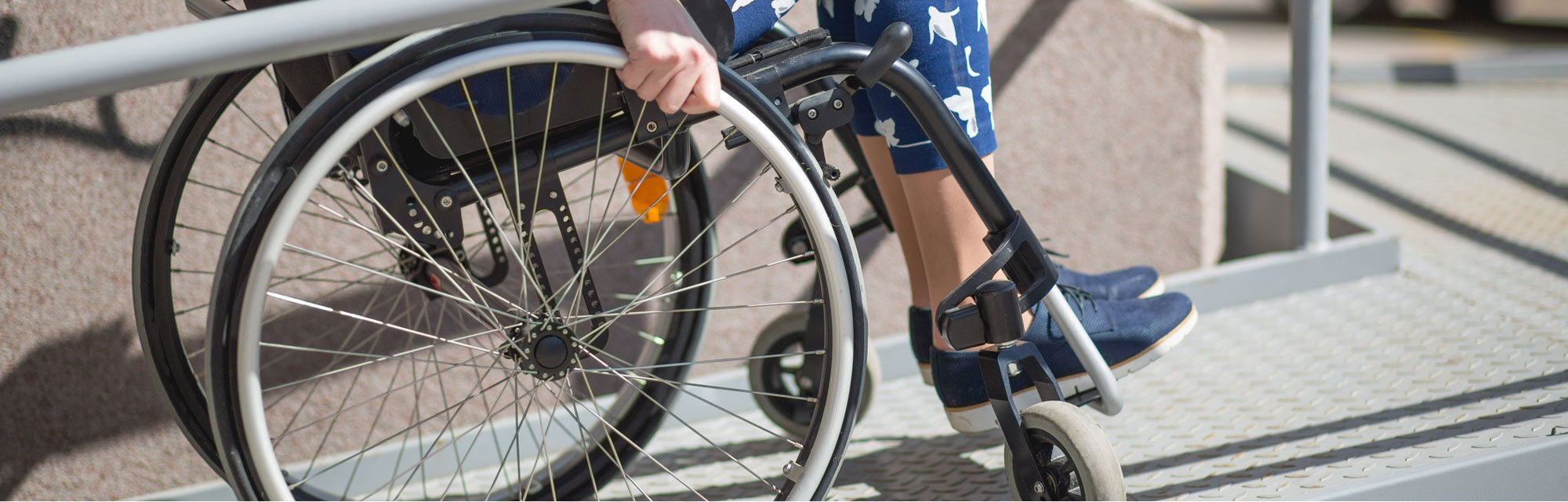
Finding the Right Wheelchair Ramps in Ontario Canada

Late summer is a smart time to double-check how well outdoor ramps are working. The weather is still warm, but the light starts to shift and little signs of fall begin to show. That means slippery mornings, cool evenings, and damp grass might start showing up along your paths, decks, or parking spots.
When picking wheelchair ramps in Ontario, Canada, we always keep weather, surface types, and daily movement in mind. A ramp that fits the space but not the season can be more trouble than help. So we look at comfort, ground conditions, and how often people pass through each day. The best ramps do more than just meet a need, they make everyday movement easier from one season to the next.
Considering Seasonal Use in Ontario
In Ontario, summer heat can fade fast. One week it’s sunny and dry, the next brings downpours or a sudden drop in temperature. That kind of shift affects more than just what you wear, it affects how safe and steady a ramp feels underfoot.
We try to think ahead. Fall means wet leaves, foggy mornings, and an increase in groups moving from indoors to outdoors and back again. If a ramp surface doesn’t grip well or gets slick when wet, it can turn risky fast. We tend to focus on materials that hold up to the tail end of heat and start of chill, knowing they’ll need to flex with each week’s forecast.
Some ramps are fine in August but start lifting or shifting when cool nights hit, especially over grass or loose fill. So now is the time to check for early signs, edges lifting, treads wearing thin, or frames loosening where footings meet shifting ground.
Looking at Common Entry Points and Yard Layouts
Every house, yard, or building has its own little quirks. No two entrances are the same. Decks stretch out over slopes, patios meet the lawn at different points, and garden doors have that low lip that catches wheels or walkers if you’re not careful.
We focus on how the layout supports movement from high to low spaces and what needs to change to make it easier. Some features we keep an eye out for:
- Garden doors with narrow clearances or sunken concrete steps
- Garage side doors with a high entry lip or loose gravel below
- Patios that slope in different directions, asking for wider landings
- Decks that might need longer ramps due to height or railing placement
The longer the drop between ground and door, the more ramp length you’ll need. If there isn’t a straight run, curved or switchback setups can help, often with extra landing space for turning or waiting.
What Ramps Work Best for Local Terrain
Ontario yards aren’t just one surface. You’ve likely got a mix, paving stones near the deck, soft grass to the shed, or gravel around the garage. That changes how we think about ramp setup.
- Grass shifts when wet, which can affect footing if there’s no firm base under the ramp
- Paving stones aren’t always flat, so gaps or slope changes may need levelling before a ramp fits right
- Gravel moves under weight and needs pads or supports built in
- Concrete works well if it’s intact, but cracks or a dropped slab might change where a ramp can sit
We’ve noticed places where a ramp fit perfectly in July but leaned or sank by late August. That’s why we usually recommend checking both the top and bottom ends and watching for movements after storms or big temperature swings.
Regional Ramp’s portable and modular ramps are available in a variety of lengths and widths to fit Ontario yards, decks, and walkways. We offer installation on grass, gravel, pavers, patios, or concrete, and all ramps feature anti-slip surfaced treads for improved traction in wet conditions. Our team can suggest the right model, length, or landing design for each layout and season.
Picking Materials That Last Outside
Outdoor ramps have to deal with a lot. We’ve worked with wood, steel, and aluminum, each with its own pros depending on the setup.
- Treated wood can blend with backyard style and feel comfortable underfoot, but needs sealing to resist moisture and might get slippery fast
- Steel ramps feel solid but may rust without regular upkeep, especially as fall dampness gets worse
- Aluminum stays light, strong, and rust-free, which helps in wet or cool conditions
The right surface makes a big difference too. We think about:
- Grip support when rain hits or dew gathers overnight
- How heat affects comfort for users with bare skin touching handrails
- Whether the ramp collects puddles or dries out quickly
Fewer surprises show up when materials are chosen with the weather in mind. If your area gets foggy early in the morning or has lots of leaves falling early in the season, it’s worth factoring in during material choice.
How to Make Sure the Ramp Works for Everyone
Ramps aren’t one-size-fits-all. Some people walk with a cane, others need space for a stroller, and others move with two wheels powering the whole trip. So we build around how people really use the space.
- Wider platforms help when someone assists another person walking
- Handrails add safety and confidence, especially for anyone stepping slowly
- Smooth transitions at top and bottom prevent trips or catching wheels
- Resting points help for longer ramps, especially on sloped properties
We ask ourselves how often people will use the ramp, how much gear they carry, and what the doorway traffic looks like at busy times. That guides how long the ramp should be, whether it needs extra width, or if there should be room for someone to pause halfway through.
Building Confidence with the Right Ramp Setup
The right ramp brings comfort to day-to-day life. It fits into the background but quietly supports every move. We plan for more than what’s happening today by thinking about the weeks ahead, different weather, different routines, and all the things that come with the season changing again.
By August, we’re looking at ramps that can handle a cool breeze one day and heavy rain the next, without slipping out of place or feeling unstable. When a ramp fits the land and meets the way people move, the whole space works better. It’s not just about managing mobility, it’s about lining up convenience, routine, and safety all in one direction.
When your ramp feels less secure or no longer fits the changes in your outdoor space, a professional assessment can help. From shifting gravel to soft ground or daily wear, we make sure your home stays accessible and comfortable in any season. Regional Ramp works with families across Ontario to create outdoor solutions built for real-life conditions and busy households. Learn how a simple adjustment can boost your safety by exploring our approach to wheelchair ramps in Ontario, Canada. Reach out to Regional Ramp today to start the conversation.