
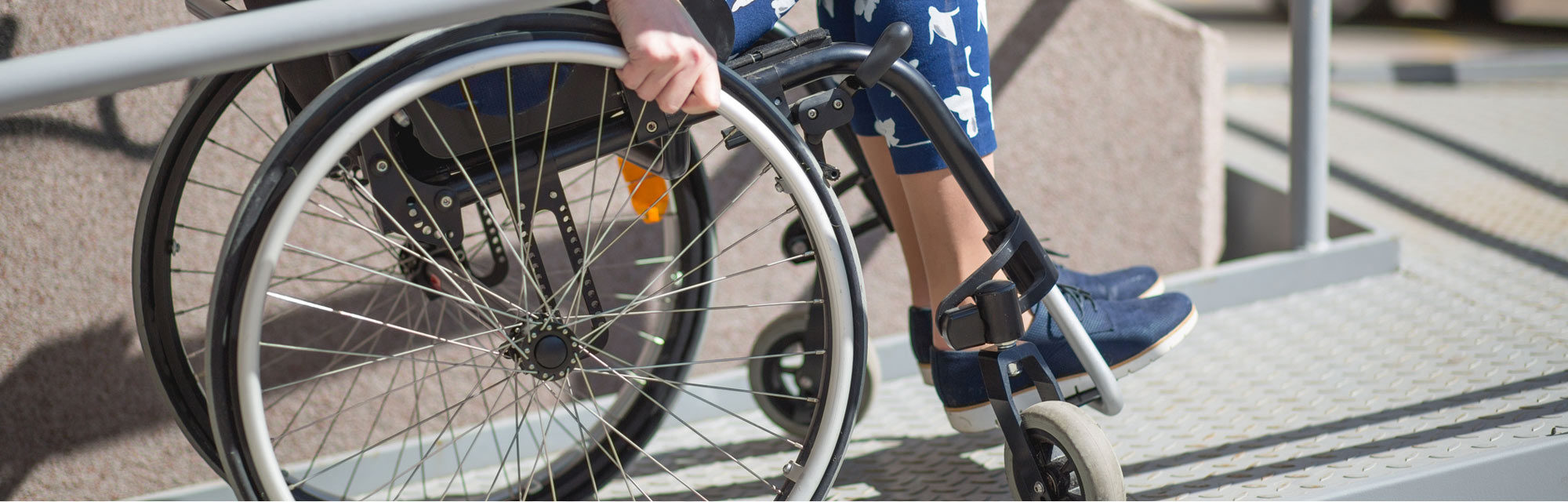
Fixing Access Problems from Temporary Snow Ramps
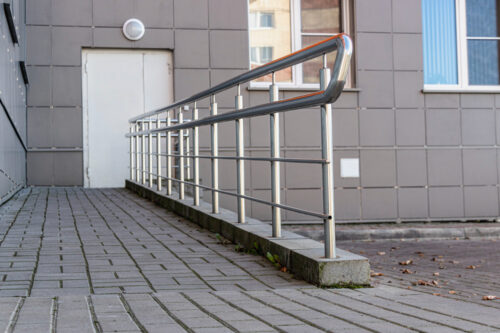
Late winter in Ottawa is unpredictable. One day the ground is frozen and solid, the next it is slick with meltwater and soft patches of snow. For people who rely on reliable ramp access, this mix can cause real trouble. We often see people trying to solve that with snow-packed paths or makeshift ramps just to get through the week. They seem like a fast fix, but they come with some real issues. They break apart, get icy fast, and do not always handle the weight of a wheelchair or scooter.
That is where proper solutions like aluminum wheelchair ramps make a difference. Unlike snow structures or wood boards, aluminum is not affected much by the late-winter freeze-thaw cycle. It stays stable and safer to use as sidewalks and driveways shift day by day. When we are trying to keep movement smooth and safe, this kind of ramp gives you predictable traction and support that quick snow workarounds cannot match.
Why Temporary Snow Ramps Don’t Always Work
When driveways are not cleared properly or when snow piles up faster than expected, people do what they can to gain access. We have seen snow shaped into sloped ramps at doorsteps or packed down beside porches to make an entry path. At first glance, this looks like an easy solve, but snow changes fast.
- Sun warms it a little during the day, but the next cold night turns that softened snow into ice.
- Packed snow does not provide a level surface. When wheels or feet hit an uneven patch, it can tilt or sink.
- Snow ramps usually cannot handle the weight of a powered wheelchair or someone helping push a walker.
- As snow melts, holes form beneath the surface, making the whole path shift under pressure.
These ramps might offer temporary access at first, but they lose strength quickly. Once that happens, safety disappears. It only takes one icy slip or unstable push to turn a helpful fix into a hazardous one.
The Impact of Poor Ramp Access in Late Winter
By late February, the ground in Ottawa starts shifting multiple times in a day. Snowbanks soften with midday sun, then freeze again by dinnertime. What felt steady in the morning is not the same by the time someone gets home. When that change happens in front of a home or apartment, it stops people from living the way they usually do.
- Wheelchairs and power chairs sometimes cannot grip the surface without sliding.
- Walkers wobble or stick when snow gets crusty or uneven underfoot.
- Mobility canes do not detect soft snow until it is too late and there is already a stumble.
These are not small frustrations. They keep people indoors longer than they want to stay or make everyday plans harder to keep. Shopping, walking the dog, letting a visitor in, all start to feel like too much work once the ramp or path cannot be trusted. And when someone finally does take the chance, the risk of slipping or getting stuck in meltwater becomes more likely.
How Aluminum Wheelchair Ramps Handle Late-Winter Conditions
Reliable ramp material makes a difference, especially when weather shifts every few hours. We have seen how well aluminum wheelchair ramps hold steady through the end-of-winter stretch when other setups do not.
- Many come with textured surfaces built to stop slips, even if there is light frost or leftover snow.
- Raised sides help guide wheels and feet safely across when visibility is low or snow piles up at the edges.
- Water drains quickly off aluminum, so icy patches do not form as easily compared to wood or plastic.
Aluminum ramps do not bend or sink when the ground underneath shifts slightly with thawing. That steadiness lets people move with more confidence, even if the entire driveway is still covered in packed snow. Unlike snow mounds or temporary boards, aluminum does not wear out after just a few temperature swings. It stays dependable during the part of winter that often feels hardest to predict.
Repairing Access Gaps After a Long Winter
By late winter, it is common for homes to have lost their once-clear pathways. Driveways might hold snow pushed over weeks, and front steps are often surrounded by icy buildup. Even if the sun is starting to come back out, full access has not returned yet. That is when it makes sense to swap out the makeshift fixes and re-establish safe movement with something more reliable.
- Short-term aluminum ramps work well when someone is recovering from a surgery or injury and just needs a safer way in and out.
- Visitors staying for a few days or weeks can use a sturdy ramp that better supports their mobility tools.
- If in-home care or deliveries are expected, having a stable surface means the service can happen safely and easily.
We install and rent modular aluminum ramps that are designed for Canadian winters, built from rust-resistant materials, and suitable for both temporary and permanent accessibility solutions.
We have worked with people who tried to get through one more week with packed snow as their main walking path, only to end up calling friends for help when it melted too fast or turned icy again. Quick fixes work until they do not. Solid materials give back peace of mind and reduce how much extra energy it takes just to leave the house.
Choose Lasting Stability for Spring’s Arrival
Late winter holds a stretch of time where things are still cold, but beginning to thaw. Ramps that worked in January might now be half-buried, cracked, or slippery with melt. These are the weeks when people are tired of being stuck inside, but going outside does not feel steady yet. Choosing the right ramp helps people face this phase with more freedom.
Aluminum ramps from Regional Ramp do not get softer or less secure as the season shifts. They stop people from needing to guess how steady the ground is or how much ice is left on a step. When access issues are solved early, there is less stress waiting at the door once March starts bringing new melt. Replacing snow-only fixes with stable entry paths means people can return to daily routines without delay or extra hassle.
Tired of seasonal fixes that do not last past the next freeze? We are here to help you move with more comfort and fewer surprises. Our aluminum wheelchair ramps hold steady when the ground shifts under melting snow and slush, making them a smart choice for homes in Ottawa, Ontario, that need long-lasting support. Whether you need a solution for short-term recovery or to make daily access easier, we offer safe materials that stay dependable through late winter. We rent and install ramps that work better than snow-packed paths or wood planks. Give us a call to set up a reliable way forward before the next cold snap.