
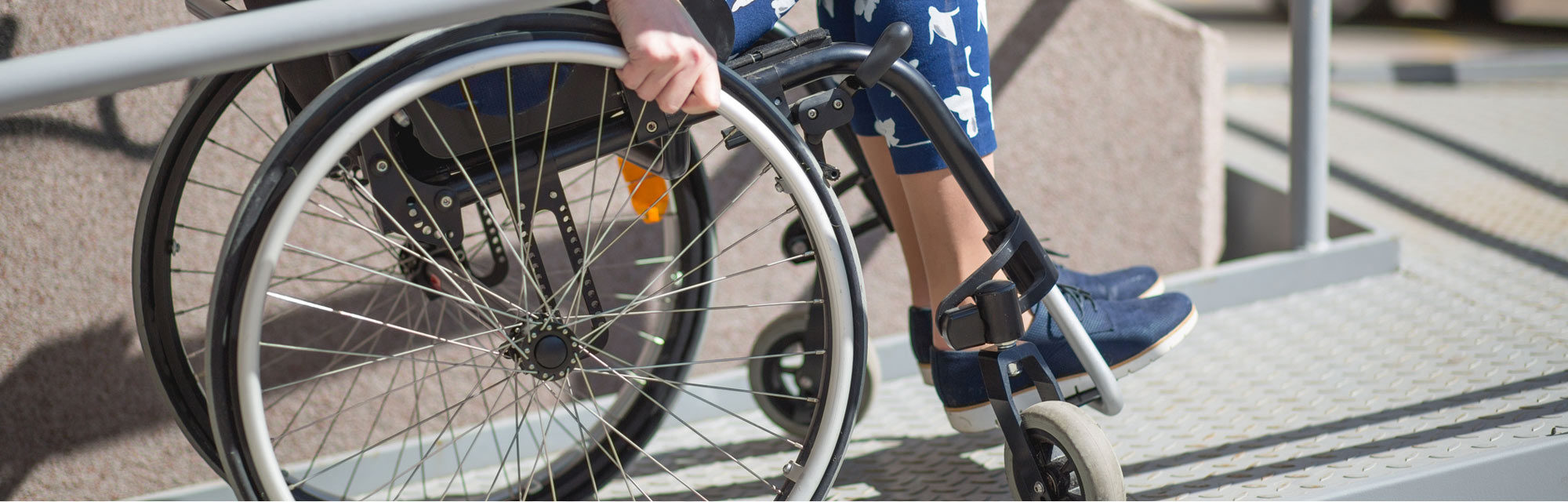
Aluminum Wheelchair Ramps That Handle Backyard Use

Backyards become more usable in the summer, especially when the weather holds out and the grass is steady underfoot. For many people, seasonal outdoor plans mean reconnecting with garden spaces, decks, and patios. But if someone uses mobility aids, getting to those points comfortably can take a bit of planning. That’s where ramps come into play.
Aluminum wheelchair ramps are a solid choice for outdoor spaces since they stand up to use and weather. They don’t swell or splinter, and they don’t rust when they sit in rain for days at a time. But even with a strong material in place, backyard setups bring their own hurdles. There might be curved paths, uneven pavers, or soft patches of dirt. Building a ramp over a grassy slope doesn’t work the same as installing one on a clean concrete pad.
So we look at more than just measurements. We focus on how the ramp works for someone heading outdoors with ease, across shade, stone, or soil, in Ottawa’s changing weather.
Picking the Right Ramp Style for Backyard Entry Points
Backyards in Ottawa can change a lot from one home to the next. Some have a wide deck with double doors. Others might step out from a sliding patio door or curve around through a side gate path. That makes ramp selection more about matching the ground below, the entry point ahead, and the way someone moves through both flows.
- For sliding patio doors, we may need a low-profile setup with enough clearance to avoid drainage issues.
- For raised decks, longer ramp runs or multi-section setups help flatten the slope.
- For garden paths or side-yard entries, straighter modular sections usually work easier than trying to pour a custom concrete slope.
One big factor is the type of ramp section. Permanent ramps might work better for decks that don’t change, but modular ramps that come in sections are easier to update if the yard shifts or the layout changes. That flexibility matters when we’re working with tree roots, fences, or slanted patios. Regional Ramp provides modular, threshold, and custom aluminum ramps specifically designed for lawns, garden paths, and irregular backyards in Ottawa. Our modular systems can be sized to any length and configured to fit existing patios, wood decks, and wheelchair access pathways with minimal disruption.
Length and shape vary too. A long, straight ramp can seem simple, but it might not fit the footprint. Curved spaces or tight outdoor zones sometimes need angled sections or landings to give space to turn. We adjust based on what’s around and how someone needs to move across it.
Why Aluminum Works Best for Summer Durability
Outdoor ramps are exposed day and night, and not every material makes it through the season the same way. Wood ramps swell in humid weather, wear down faster with foot traffic, and need sealing to stay safe. Steel ramps resist weight, but they rust without upkeep and retain heat when the sun hits hard.
Aluminum wheelchair ramps are a go-to choice for outdoor settings because they hold up through sharp weather swings and stay steady under frequent use. In the height of summer, Ottawa gets long stretches of hot sun, which can expand some materials or bake the walking surface. Aluminum stays tough without bowing or softening.
What makes aluminum easier to keep in good shape is how little care it really needs. It doesn’t rot. It doesn’t splinter. You don’t have to stain or repaint it. A rinse or sweep now and then handles what dirt or leaves collect. That’s one less thing to manage in a season where weeds, mulch, and general yard work add up quickly.
Regional Ramp’s aluminum ramps feature high-traction surfaces, side guards, and rustproof support legs, making them suited to handle rain, sun, and all types of Ottawa backyard layouts. These ramps are suitable for both seasonal and permanent installations, so you can match the solution to your needs without worrying about major repairs.
Terrain Matching: How Outdoor Surfaces Affect Ramp Setup
Flat ground would make ramp plans easy, but we know that’s rarely the case. Most backyard spaces have a mix of natural and manmade surfaces, from packed soil to cracked pavers or soft shaded grass.
Each material handles pressure differently. Soft ground needs broader footing under the ramp base so it doesn’t sink or tilt over time. Grass can hold moisture that affects ramp grip, while paving stones may shift under heat if they aren’t sealed down well. We plan our layouts around what is under the ramp as much as what’s leading up to it.
For rough spots or uneven grades:
- Landing pads give a level, safe point for wheels to stop or change direction.
- Rubber or concrete footings help anchor ramps on grass or dirt without digging into the base.
- Anti-slip textures help the ramp catch boosts in wet or muddy settings.
Slope control is another big one. Even slight backyard dips can make ramps too steep if we don’t stretch them out far enough. Some yards need winding paths, and others need straight ramps with rest points. The goal is stable forward motion, no matter what’s underfoot.
Safety and Stability Features to Keep in Mind
With outdoor ramps, safety is shaped by more than building codes. It plays out in everyday use. Railings give something to hold when grass is wet or footing feels unclear. Good tread grip keeps wheels from slipping on cooler mornings when dew hangs around.
We always look at where that ramp end touches the yard. The meeting point between ramp and ground can grow into trouble if grass creeps up, or water pools after rainfall. Ramps need clear zones so that edges stay defined and movement stays straight.
- Wide platforms at turns or entries help with rotating wheelchairs or parking if someone is waiting.
- Shade from trees or awnings can protect users from sun exposure while reducing surface temperature.
- Drainage paths keep water from settling next to the ramp edge and causing slips or slow rot in any nearby wood or landscaping.
As grass grows faster in July and early August, it may try to fill those edge zones between ramp and dirt. We plan ahead to make sure there’s space to trim and clean under and around the frame.
Making Backyard Use Comfortable Through the Seasons
Mid-summer setups should always take fall into account. Leaves start dropping earlier than many expect, and cooler nights roll in before we get a final mow in. Ramps sitting under trees collect more debris, and morning condensation can turn regular tread into something slick.
We look at surface prep now so cleanup demands are lower later. Ramps that shed water well and sit above soft landings help the whole yard stay more usable into October. Even planning where to place a broom or how to edge the grass near the base keeps things easier month to month.
Fall doesn’t mean new builds stop, but it does mean we need to think through what cold mornings and bright afternoons will bring. Paver joints may shift slightly as temps move, and frost can collect where shadows hit early. Having everything steady now helps reduce surprises as the air cools off again.
Built for Movement, Backyards Included
Having a ramp into the backyard doesn’t just help with access. It changes how much of the property someone can actually enjoy. We want that setup to invite use, not feel like a workaround or add-on. When ramps are planned to match the space, rather than just drop into it, people tend to use their yard more. It becomes part of normal life again.
We never forget that outdoor access is about more than checking off slope numbers. It’s about making time outside easier, on the right surface, with the right materials, and the right shape for how someone moves. Whether it’s a quiet sit under a tree or a steady path to garden beds out back, a good ramp setup helps turn plans into habits that carry into the cooler months.
Backyard ramps need to hold up through all kinds of summer weather, and we’ve seen how well our setups perform in Ottawa’s mix of sun, rain, and uneven ground. When you want to improve outdoor access for someone using mobility aids, it’s important to think about how rugged and reliable the build really is. Our line of aluminum wheelchair ramps works with a range of yard styles and is built to handle shifting terrain without constant maintenance. At Regional Ramp, we’ll help match your setup to your space so that everything from the back step to the garden path feels easy to reach. Contact us today to get started.