
Signs a Temporary Entrance Needs Accessible Ramps Before Winter
A temporary entrance can feel workable in late October, when the ground is dry and daylight lasts a little longer. Once Canadian winter weather arrives, though, snow, ice, slush, freezing rain, and darker afternoons can quickly change the safety of that same route.
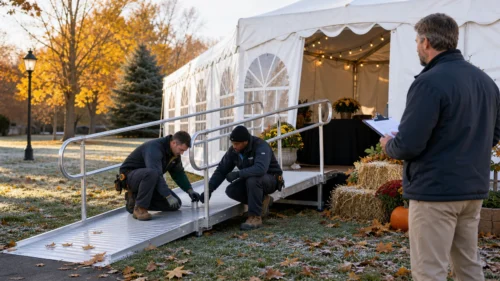
We encourage you to assess any temporary entrance before conditions become harder to manage. Whether it serves a home during renovations, a portable office, a commercial site, a seasonal space, or someone with a short-term mobility need, reliable access matters every day.
Prevent Winter Access Barriers Before They Escalate
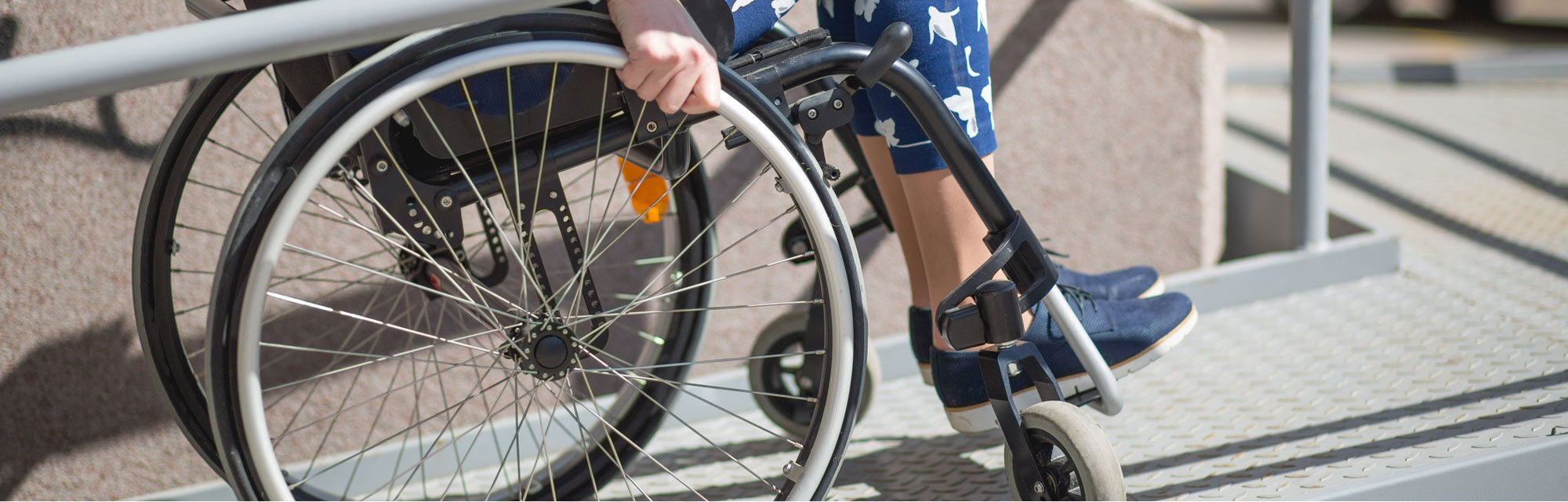
Winter can make existing mobility challenges much harder to manage. A person using a wheelchair, walker, scooter, cane, crutches, or other support may have trouble with steps, loose ground, and slippery surfaces. Caregivers can also face added strain when they are helping someone over an unsafe entryway.
Accessible ramps create a steadier path between the arrival area and the door. Rather than relying on temporary steps or uneven surfaces, you can plan for a route that better supports independent use and safer assistance.
Waiting until after the first major snowfall can create unnecessary pressure. Weather may limit installation opportunities, and a rushed change can leave residents, staff, visitors, or customers without dependable entry when they need it. Planning early gives us time to look at the entrance layout, expected use, and conditions around the property.
A pre-winter review can help you spot concerns such as:
- Steps that may be hidden by snow
- A route that is too narrow for a mobility device
- Loose or slippery temporary surfaces
- Missing handrails near changes in level
- Poor lighting around the entrance
Watch for Unsafe Steps, Slopes, and Surface Changes
The doorway is only one part of the access route. We recommend looking at the full path from the parking area, driveway, sidewalk, or drop-off point to the entrance. If part of that route becomes difficult to cross, the entrance may not be dependable for everyone who needs it.
Even one or two temporary steps can be a serious barrier. They may be difficult for someone recovering from surgery, using crutches, or relying on a walker. After snowfall, step edges can disappear under snow and become harder to judge, increasing the chance of a misstep.
Improvised slopes deserve close attention as well. Plywood, loose boards, temporary gravel, and other short-term materials may shift over time. Freeze and thaw cycles can make them slick, soft, uneven, or unstable. Properly planned accessible ramps offer a more predictable route for both users and caregivers.
Water around an entrance is another warning sign. If rain collects near the approach in autumn, it may freeze when temperatures fall. Pay attention to whether the surface has firm footing, visible edges, enough traction, and sufficient width for the people and mobility devices using it.
Address Winter Hazards Before They Block Access
A narrow path may seem fine until snow begins to build up along the sides. Without enough room for safe snow clearing, a temporary route can quickly become too tight for a wheelchair, walker, scooter, or caregiver. Clear edges and a defined travel path make winter maintenance easier to plan.
Freezing rain and slush can be just as troublesome as deep snow. A surface that feels stable on a mild day may become slippery when temperatures move above and below freezing. For people who walk independently but need extra balance support, handrails can make an important difference at an entrance.
Visibility should be part of the review, too. Shorter daylight hours can make icy patches, changes in level, and ramp edges harder to see. We suggest considering the whole approach, including lighting, signs where appropriate, and how the route will stay clear throughout the season.
Winter planning works best when ramps, handrails, lighting, and snow removal are considered together. A safe ramp route still needs a clear approach from the driveway or sidewalk, as well as a practical plan for keeping snow and ice from blocking the way.
Recognize When Temporary Access Has Become Necessary
Accessibility needs do not always arrive with much warning. A family member may be returning home after a hospital stay, an employee may need a safer entrance during recovery, or a building may need to redirect traffic while a permanent entry is repaired. In each case, the existing entrance may no longer match the people using it.
Changes worth reviewing include:
- Someone now using a wheelchair, walker, scooter, cane, or crutches
- A caregiver needing to assist another person over stairs or thresholds
- A main entrance closed because of construction or repairs
- A temporary office, sales area, or community space opening on-site
- Customers, deliveries, staff, or service providers using a redirected entrance
Temporary access should still be dependable access. A short-term ramp does not mean a casual solution is enough, particularly when winter weather is involved. We can assess the site and help determine whether a ramp, platform, handrails, or related accessibility support fits the entrance, length of use, and expected conditions.
Plan a Safer Route Before the First Snowfall
Before winter limits your options, review the entire route from arrival point to doorway. Look at parking access, surface stability, slope, thresholds, turning space, handrail needs, lighting, and who is responsible for snow clearing. These details work together to shape whether an entrance remains usable after weather changes.
Early planning can prevent rushed decisions and help maintain reliable access for residents, visitors, customers, and staff. If a temporary entrance shows warning signs now, addressing them before the first snowfall can reduce stress and support a safer, clearer route through the winter.
Prepare Your Entrance for Safer Winter Access
Regional Ramp can help you choose accessible ramps suited to your temporary entrance and daily traffic needs. Our team will work with you to identify a practical solution that supports safe, dependable access throughout the season. Contact us to discuss your ramp requirements.