

What to Expect From Temporary Construction Ramps on Active Sites
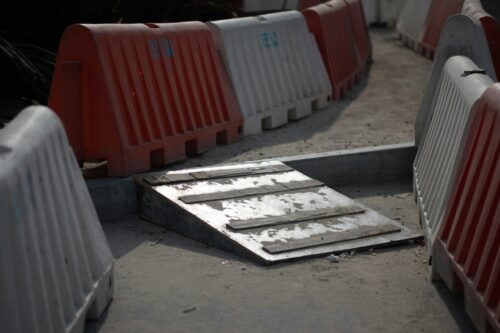
Keep Active Sites Moving with Safer Access
Temporary construction ramps help keep people moving when work changes the usual way into a building, across a property, or through a busy job site. Workers, delivery teams, inspectors, clients, and visitors may all need a clear route around stairs, uneven ground, barriers, or changing elevations.
We recommend thinking about access early, before work blocks a walkway or entrance. Temporary construction ramps can provide a more reliable path while renovations, maintenance, or construction are underway. Since every site changes in its own way, we start by looking at who needs access, where they need to go, and what conditions could affect their safety during the project.
Plan the Access Route Before Work Begins
A successful ramp installation starts well before the ramp arrives. Our team needs to understand the site layout, entry points, ground conditions, available space, and the traffic expected around the route. A path that looks open on a site plan may become tight once materials, fencing, equipment, or trades are in place.
Before selecting a system, we work with you to clarify a few practical details:
- Who will use the ramp, including pedestrians, wheelchair users, staff, clients, or visitors
- Where the route begins and ends, including doors, sidewalks, parking areas, and temporary entrances
- Whether handrails, landings, edge protection, or extra turning space may be needed
- How nearby equipment movement, deliveries, and material storage could affect the route
The intended use matters just as much as the layout. An accessibility ramp should not be treated as a route for equipment, vehicles, pallets, or loads outside its approved capacity. By explaining the application clearly, you can help us recommend a system suited to the people using it.
We also encourage early review of applicable accessibility requirements, building rules, property policies, and site safety procedures. Sorting out those details before installation can prevent avoidable changes once work is already in progress. This is especially helpful in autumn, when rain, shorter daylight hours, and changing temperatures can make temporary access harder to manage.
Match the Ramp System to Site Demands
No single ramp layout works for every project. The right configuration depends on the elevation change, the available footprint, the expected traffic, and how long the site will remain active. Our goal is to help create a practical route without blocking work zones, deliveries, emergency access, or public pathways.
A straight ramp may work well where there is plenty of room between an entrance and the surrounding area. On tighter properties or sites with greater elevation changes, a switchback layout or platform configuration may make more sense. Landings can provide space for safe turns, door clearance, and resting points where required.
Project length also shapes the decision. Short-term work may need a ramp that can be installed quickly and removed when access is restored. Longer projects may require an arrangement that remains in place as construction moves through several phases. We can help you compare short- and long-term access options based on your schedule and site activity.
Safety features should match the route and its users. Depending on the setup, that may include stable bases, non-slip walking surfaces, handrails, edge protection, and clearly visible transitions between the ramp and nearby surfaces. Once installed, the ramp should remain assembled according to its approved specifications. On-site changes should not be made without professional guidance.
Coordinate Installation Around Site Activity
Installation day goes more smoothly when the access plan is shared with the site supervisor and other trades. We coordinate with you so the ramp can be installed during a workable window, rather than arriving when the area is blocked by concrete work, deliveries, equipment movement, or active landscaping.
The installation area should be ready before the crew arrives. That means the supporting surface is stable, the route is clear of debris, and known concerns have been addressed. Uneven terrain, poor drainage, excavation edges, low overhead areas, and nearby obstructions can all affect the planned setup.
A smooth transition matters for users, too. If a familiar entrance or walkway is temporarily closed, people need a clear way to find the alternate route. Temporary barriers, directional signs, and communication with workers and visitors can reduce confusion around the site.
Professional installation helps ensure that connections, platforms, handrails, and access points are secure before the ramp is used. It also helps avoid a common problem on active sites, installing a safe route only to have surrounding work immediately limit access to it.
Maintain Safe Access as Conditions Change
A temporary ramp needs regular attention after installation because construction sites rarely stay the same for long. New materials arrive, work zones shift, and weather can quickly change the walking surface. A route that was open on Monday may be blocked, slippery, or unsafe by the end of the week.
We recommend making ramp checks part of the regular site routine. Keep an eye on:
- Loose components, damaged surfaces, or unsecured connections
- Mud, standing water, leaves, snow, ice, or other debris
- Handrails, edge protection, and platform areas that need to remain clear
- Stored materials or equipment that may narrow or block the route
- Lighting and visibility around the ramp, particularly as evenings get darker
Ramps and landings should never become storage areas or staging platforms. Keeping materials away from the access route helps protect both the ramp and the people using it. Site teams should also take steps to prevent equipment from striking or crowding the structure.
Autumn weather deserves extra attention. Rain can create slick surfaces and puddles, while wet leaves can hide changes in level. In some Canadian regions, early frost or snow may arrive before a project is complete. Good drainage, slip-resistant surfaces, adequate lighting, and prompt snow and ice control become more important as colder weather approaches.
Review Access Before Conditions Create a Problem
Temporary construction ramps work best when access is treated as an ongoing part of site safety, not a one-time setup. Any change in traffic volume, work activity, nearby barriers, weather, or user needs is a reason to review the route and make sure it still works as planned.
Planning ahead gives your site more room to adapt when work shifts or conditions worsen. A clear, properly maintained ramp can support safer movement, reduce confusion around changing entrances, and help keep daily operations running with fewer access interruptions.
Keep Your Site Access Ready for Change
Regional Ramp can help you choose temporary construction ramps suited to your active worksite and access needs. Our team considers practical factors such as site conditions, expected traffic, and installation requirements. When you are ready to discuss your project, contact us for guidance.