
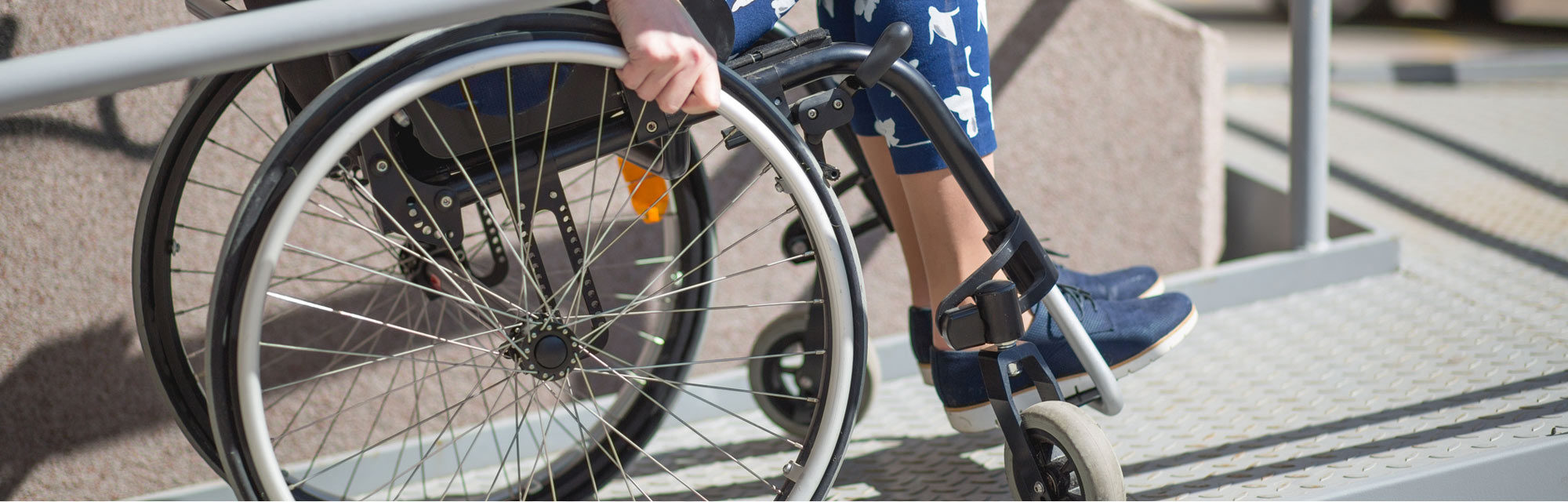
What to Do When Portable Wheelchair Ramps Don’t Fit
A portable wheelchair ramp can be a big help when you are moving between places or making short-term spaces more accessible. But it does not always work the way we expect. Sometimes the ramp does not fit quite right, or the angle ends up too steep. Other times, the ground is not even, or snow gets in the way.
If you have ever set one up and felt it was not safe or did not sit level, you are not alone. These things come up often, especially in winter across Canada. In this post, we walk through what makes a ramp hard to use, why slope and sizing matter, and how to stay safe even when things do not line up perfectly. Whether it is a new setup or a ramp you have used for years, there is always something worth checking before use.
What Causes a Ramp Not to Fit?
Portable ramps are useful, but they come with limits. When they do not sit properly or feel safe to use, it is often because of one of these issues:
- The slope is too steep. This is usually what happens when we try to use a ramp on more steps than it is meant for. Even though the ramp might physically reach the top, the angle makes it hard to push up or down safely.
- Unexpected step size. Some entrances have taller or wider steps than average, especially in older parts of Ottawa. They might look standard, but once you line up the ramp, you will see that three steps here need more length than three steps somewhere else.
- Uneven ground underneath. In winter, soft snow, icy patches, or sloped yards can stop the ramp from sitting flat. You might get one end steady but not the other. That causes rocking or slipping, which makes the whole thing feel unstable.
Even ramps that fit well on dry concrete in warmer months can have trouble when conditions change.
Understanding Slope and Length Requirements
A good ramp does not just reach from one point to another. It needs the right slope to make sure no one feels like they are climbing or sliding. The steeper it is, the more strength and balance someone needs to get up or down, especially without help.
Here is a quick way to think about it:
- One step needs a fairly short ramp.
- Two steps need a longer ramp.
- Every time you add more height, you will need to add more length so the slope does not increase too much.
Trying to make a ramp work when it is too short is one of the most common safety risks we see. It forces sharp angles, which increases the chance of slipping backward or tipping forward. Even going down can feel off, with wheels picking up speed or knees bending awkwardly. That is something to avoid for everyone’s safety.
Alternatives When the Ramp is Too Short or Too Long
If a ramp does not fit right, there are options beyond forcing it into place. You can try one or more of these ideas depending on the layout:
- Use longer ramps made for temporary setups. These are often better for porches or higher landings, where two or three steps need more gradual access.
- Look at different angles or entry points. Sometimes switching where the ramp starts or ends makes all the difference. Side entrances with lower landings might be easier than the front door.
- Check the door area itself. If the ramp fits but sticks into the doorway or catches on the threshold, it is worth stopping to rethink the position or setup. Some ramps have edges or plate sizes that do not leave enough space to open the door fully.
If nothing lines up right, that is usually a sign that you might need more than just a portable ramp to make the space accessible.
What Winter Adds to the Challenge
In Ottawa, we deal with cold weather for a good part of the year. That can turn a normal ramp setup into something harder, or even unsafe, to use.
- Snow and ice change everything. You might have measured the ramp in the fall when the ground was firm and clear. In January, snowbanks creep up and ice creates new slopes you did not plan for.
- Surfaces stop being level. Melting and refreezing can cause parts of your setup to shift slightly. That makes the ramp rock, tilt, or lose grip on one end.
- Metal becomes slippery. Unless you have proper grip tape or built-in treads, the surface of many ramps can get slick in freezing temperatures. Add cold winds and gloves that reduce grip, and the challenge only grows.
For these reasons, a portable wheelchair ramp in Canada needs regular checking and sometimes minor adjustments throughout winter. What worked in November might not be reliable in late January.
When to Rethink the Ramp Setup
Sometimes, no matter what adjustments are made, the ramp still does not feel safe. These signs usually mean it is time to stop and look at a different approach:
- The person using the ramp cannot go up or down without help every time. If independence is the goal and it is just not happening, something is not working.
- Movement on the ramp feels rushed or unsteady. If someone needs to build momentum going up or ride the brakes going down, the angle is too sharp.
- There is a visible dip, gap, or tilt when the ramp is placed. These might seem small but can change how wheels behave, especially near the top or bottom where control matters most.
It does not take much for a setup to become unsafe when the slope is not right or the surface shifts. Safety should always come first.
When Safe Access Takes More Than a Ramp
We provide a range of portable and modular wheelchair ramp solutions for homes, businesses, and events across Ottawa and nearby communities. If your entrance layout or weather conditions push the limits of a single ramp, you can choose alternative solutions such as threshold ramps, modular ramp systems, or custom adjustments. We offer portable ramps in various sizes and styles, including briefcase-style, single-fold, and multi-fold models. This variety makes it easier to match your ramp to the exact space and seasonal use you have in mind.
Getting the right portable wheelchair ramp in Canada often means looking at the full picture. That includes the number of steps, the shape of the yard, where snow tends to pile up, and how the user moves both with and without help.
Plan for Reliable and Safe Mobility
A quick fix might get you through a day, but ongoing use calls for something more stable and permanent. If you have tried to make a ramp work and it always feels just a bit off, it might be time to pause and look for options designed for your space and needs. We evaluate each property and recommend the proper slope, length, and surface to help you stay mobile no matter the weather.
Many people face challenges with slope, fit, and step height during icy Canadian winters, making access more complicated than it needs to be. Selecting the right portable wheelchair ramp in Canada should involve more than just guesswork, it needs to fit your space, work for the season, and match how you move. At Regional Ramp, we guide you through every step to help make sure your setup is safe and reliable from the start. Let us talk about solutions that work for you. Give us a call today.