

In-House Access Plans Vs General Contractor Ramp Rental
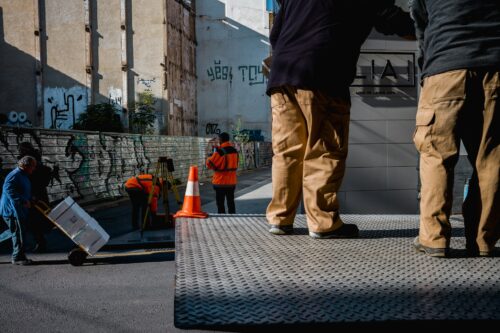
Build Safer Access Before Autumn Work Begins
Temporary access can become a problem quickly when work starts at an entrance, a patient needs a clear route, or an event setup changes the ground underfoot. In Ontario, autumn rain, wet leaves, earlier sunsets, and soft ground can make those changes harder to manage.
When you need an accessible route, the main choice is often whether to manage access in-house or arrange general contractor ramp rental. At Regional Ramp, we help clients weigh control, installation timing, safety duties, and how easily the access route can change as the site changes. The goal is simple: keep people moving safely without putting unnecessary pressure on the project.
When an in-House Access Plan Fits
An in-house access plan means your contractor, property manager, or facility team takes responsibility for planning the route. Your team may assess entrances, note height changes, plan temporary pathways, assign staff tasks, and arrange materials or equipment independently.
This approach can suit a stable project where the access need is expected to stay in place for a long time. If your team already understands accessibility needs and has a clear construction schedule, keeping access planning in-house can make it easier to coordinate with other work on site.
For example, an in-house plan may give you more direct control over:
- Timing access work alongside other trades
- Choosing permanent design features early
- Coordinating entrances, pathways, and site layout
- Assigning one internal team to monitor the route
Still, a written plan is only the beginning. A ramp needs to be usable in real conditions, not just look workable on paper. We recommend thinking carefully about slope, landings, handrails, surface conditions, drainage, obstructions, and the needs of people using mobility devices.
Your team also needs time to inspect the route as work continues. A delivery, fence panel, pile of materials, or change in grade can affect access without much warning. In-house planning works best when you have the right knowledge, staff capacity, and ability to respond throughout the project.
Ramp Rentals Support Changing Project Needs
A temporary ramp rental can be a practical fit when the project has a short timeline, an urgent access concern, or an entrance that may change during construction. We often see this need when stairs are being repaired, a main doorway is blocked during renovations, or visitors and workers need a safer route around an active work area.
Rather than purchasing, moving, storing, assembling, inspecting, and later removing temporary equipment yourself, you can bring in a ramp specialist to support the access plan. We can assess the location, recommend a modular ramp and handrail configuration, and install a solution that suits the expected length of the project.
Flexibility matters when work does not go exactly as planned. If a temporary entrance becomes unavailable or the site layout shifts, a rental arrangement may be easier to adjust than a fixed solution planned far in advance. That can help you protect access while your construction team focuses on the work they were hired to do.
Rental support can also reduce the number of access-related tasks placed on your internal staff. You still need to share project timing, expected users, and site changes with us, but we can take care of the ramp and handrail side of the plan. This helps create a safer route for tenants, clients, patients, visitors, trades, and guests while work is underway.
Compare Timing, Responsibility, and Site Demands
Before deciding, look beyond who can assemble a ramp. The better question is who can manage access safely from the first day of work through the final cleanup. An in-house plan may use people and materials already available, but it also adds responsibilities that can grow as the project changes.
When comparing your options, consider:
- Who will assess the route before installation
- Who will monitor wet, uneven, or blocked surfaces
- Who can adjust the setup if work zones move
- Who will remove temporary equipment at the right time
- How access will be maintained if the schedule changes
Timing can be especially important in September and October, when many exterior projects are moving quickly before colder Ontario weather arrives. If access is needed for a defined period, rental can help you establish a clear route without pulling attention away from construction milestones.
Responsibility should also be clear from the start. With an in-house plan, your team may manage every part of the process, including inspections and adjustments. With rental support, your project team still communicates changes and user needs, while we provide specialised ramp and handrail guidance, installation, and removal.
Neither approach is automatically better. The right choice depends on the site, the people using it, the expected duration of the work, and your team’s ability to keep the route safe every day.
Plan for Autumn Weather and Active Work Zones
Autumn can expose weak points in a temporary access plan. Rain can create slippery surfaces. Wet leaves can hide uneven ground. Mud can collect near entrances. Reduced daylight can make edges, steps, and route changes harder to see.
We encourage you to look at the full path, not only the ramp itself. A safe route needs clear approaches, sensible drainage, room to move, and regular checks when weather changes. Handrails can also be an important part of a route where users need added support.
Active construction adds another layer of uncertainty. Equipment, deliveries, fencing, excavation, and material storage can block a route that was clear the day before. For clinics, residential properties, commercial buildings, and event spaces, it helps to identify a main route and a backup option where possible.
Clear communication matters, too. If entrance access changes, occupants and visitors should know where to go before they arrive at a blocked doorway. Planning ahead is usually easier than trying to solve an access issue after rain begins or work crews have already moved into place.
Choose the Option That Keeps People Moving
The best access plan matches the real conditions of your project. Consider how long the route is needed, how often the site may change, who will use it, and whether your team can inspect and adjust it as needed. A permanent, predictable need may suit in-house planning, while temporary or shifting conditions may point to rental support.
Reliable access should be part of the work plan from the beginning, not an afterthought once an entrance becomes difficult to use. When you account for weather, changing work zones, handrails, and the people relying on the route, you can make a clearer choice that supports safer movement throughout the project.
Keep Your Project Access Ready
Regional Ramp can help you arrange general contractor ramp rental that fits your site conditions and project schedule. Our team can help you identify a practical commercial ramp solution for workers, visitors, and changing access needs. Contact us to discuss your requirements and rental timeline.