
How to Identify the Right Ramp for Commercial Entrances
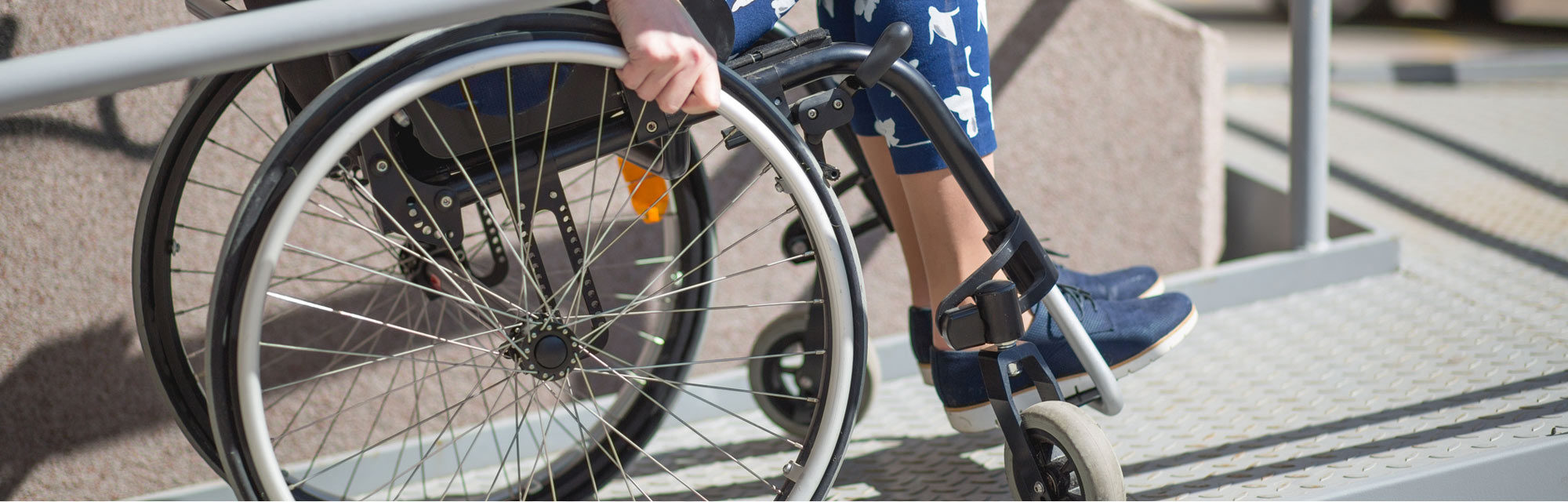
When it comes to welcoming people into a storefront, clinic, or office, small barriers can have a big impact. In businesses across Ottawa and surrounding cities, entrance setups vary a lot. Some have older steps or curbs, some use temporary setups on weekends, and some are working around narrow door frames or shifting ground. Either way, it’s good access that makes a strong first impression.
Planning for ramps in Ontario usually means thinking ahead. As spring weather settles in by mid-May, snowmelt lingers in spots, and wet ground conditions remain common. That means even short-term setups can benefit from well-placed, weather-aware ramps that fit the space. The right ramp doesn’t need to be permanent, but it does need to make sense for the business and the people coming through the door.
Understanding Commercial Accessibility Needs
Every commercial building has its quirks. Some open straight onto sidewalks, others sit at the top of a step or two. And when you’re moving equipment, stock, or groceries regularly, those few inches can become tiring fast.
We look at more than just wheelchair users when planning access. Here’s who often benefits from smoother entry points:
- Clients using scooters, walkers, or canes
- Delivery drivers pushing carts
- Seniors attending appointments or shopping
- Staff rolling in supplies or equipment
It’s not just about getting inside. It’s about making that process smooth, steady, and stress-free. Businesses with reliable access points keep foot traffic flowing and reduce the need for last-minute help. Whether it’s a quiet weekday or a busy Friday rush, thoughtful layout choices make a difference for everyone involved.
Matching the Ramp Type to the Building Layout
What works outside a grocery store might not work outside a dental office. That’s why choosing the right ramp style is as much about the space as it is about the slope.
Here are a few common commercial ramp types:
- Modular ramps: Good for longer-term setups with higher entry points
- Threshold ramps: Work well for low clearances and are easy to tuck into smaller spaces
- Portable ramps: Useful for temporary setups or changing event sites
When we visit a site, we look at how wide the door is, how high the entry lip sits above ground, and how much space there is for the ramp to extend. A steep angle will not help someone with limited arm strength or someone pushing a cart. Flat areas help, but even flat setups need the right surface material and under-ramp support.
One advantage we offer at Regional Ramp is a range of modular, portable, and threshold ramps, all of which can be tailored to unique business needs. Our commercial ramps are quick to install or reposition and can be adjusted for properties with tight entryways or multiple access points.
And if the entrance opens right into a public sidewalk or street, city permits may be needed. Even if ramps sit on private property, spacing must stay clear for proper flow and safety.
Weather and Surface Conditions in Ontario
By May, most Ottawa walkways are clear, but that doesn’t always mean dry. Water runoff from snow piles can keep ground soft. Grassy areas still soak up spring rain. That’s why outdoor ramp placements in Ontario need to stay stable, even when the weather keeps changing.
We often suggest weather-smart features like:
- Grip textures to help in damp conditions
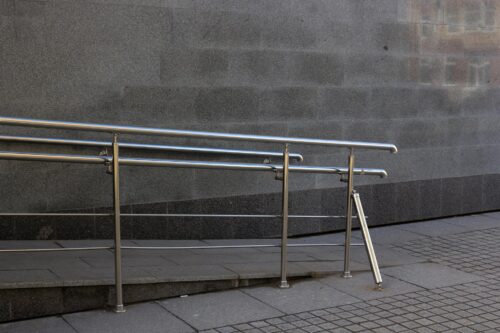
- Raised edges or railings for added support near wet grass or walkways
- Drain-friendly surfaces or slots that stop water pooling
Some materials handle spring better than others. Aluminum options resist surface wear when exposed to moisture. Composite setups hold up to quick changes, especially if the location gets full sun earlier in the day and cold spots later at night. Every spring is different, so it helps to expect variability and not rely on dry conditions too early.
Our aluminum commercial ramps are made to be weather-resistant and slip-resistant, with options like textured treads for traction and modular components that can be swapped as business needs change across the year.
Key Features to Support Daily Use
When people think about ramps, they often focus on how to get up. But once it’s in use daily, there’s more to think through.
Durability matters. Heavy carts, repeated foot traffic, and mobility aids all create pressure on edges and seams. A good ramp stands up to that kind of wear without needing constant adjustment.
Some helpful features include:
- Non-slip top layers for safer movement
- Solid side rails that offer real balance help
- Wide platforms so people with walkers or strollers don’t feel tight on space
We also think about the people setting it up. If the ramp needs to be adjusted or shifted, it should be light enough to manage but still secure when placed. That balance helps with both safety and ease. A routine spot-check, making sure nothing has shifted, scraped, or settled, keeps the setup usable and safe from open to close.
Local Rules and Placement Tips
Small things can make a big difference. A few inches of tilt, a wet spot underneath, a blocked end of a ramp, these issues slow people down or cause avoidable discomfort. We try to stay ahead of those moments with simple, local checks.
Placement tips we often use include:
- Set up on level ground, with support underneath soft turf or grass
- Use shims or wedges only when needed, and only if they firmly lock in place
- Keep nearby areas clear of spring debris like pine needles, puddles, and leftover salt
We plan around Ottawa’s spring melt, which can trail into May. Piles of snow might still be lingering around parking lot edges. Even if the calendar says spring, the ground isn’t always ready for a stable rollout unless someone’s checked it that morning. Regular inspections help avoid surprises when traffic gets busy.
And when setting ramps near public areas like sidewalks or shared entries, setups need to follow Ontario standards. These guidelines help protect everyone using the space and keep access points fair.
Commercial Ramps for Every Business in Ottawa, Ontario
A good ramp setup does more than meet a guideline. It adds comfort and keeps the site feeling prepared, not reactive. People notice when a store, clinic, or office has clearly thought through how visitors get in and out.
As we move deeper into spring, the mix of rain and warming temps makes May a smart time to double-check outdoor entries. Knowing what kind of ramp works on soft ground or uneven pavement helps businesses stay ready for whatever the day brings.
At Regional Ramp, our commercial solutions include both short-term ramp rentals and permanent custom installations for Ottawa, Ontario, businesses. Our team can assess entrance layouts, recommend the best accessibility options, and handle fast ramp installation to make adapting to spring conditions seamless.
Whether you’re rethinking your layout or updating for the season, we can help you find the best fit for your business space. Spring sees more foot traffic, softer ground, and shifting weather across Ontario, making it the perfect time to ensure safe, reliable access. Our range of solutions covers both permanent and temporary needs, and we know what stands up in public-facing environments. Thinking about adding or upgrading ramps in Ontario? Contact Regional Ramp today to get started.