

Best Practices for Wheelchair Ramp Installation in Soft Soil
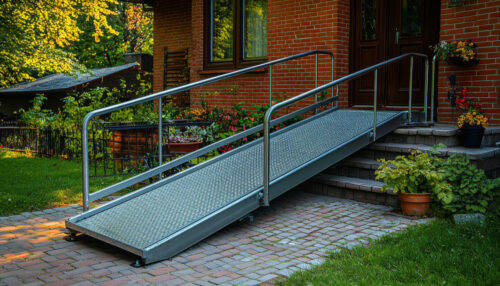
Spring brings new projects for making outdoor spaces more accessible. But working in early May means we’re still dealing with soft soil in many parts of Ottawa. After a long winter, the thawed ground can feel spongy underfoot, and that makes building anything permanent, like a wheelchair ramp, tricky if we’re not careful.
Wheelchair ramp installation in soft soil isn’t just about making something sit level the day it goes in. It’s about long-term strength, steady use, and knowing the ground won’t shift under someone’s wheels. It takes extra planning and the right materials to build ramps that hold their shape through rain, heat, or daily use.
We often find that when we take the time to check the soil and set a strong base, the whole ramp feels better from day one. So let’s take a good look at what soft soil does, how we work with it, and what to watch for as the season rolls on.
Understanding What Makes Soil Soft
Soft soil usually shows up in outdoor areas that haven’t had time to dry fully from winter runoff. This is especially common in grassy backyards, fresh garden edges, or areas near large trees where roots keep the soil shifting beneath the surface.
We’ve seen soft spots turn up even weeks after snow is gone, mostly where drainage hasn’t finished doing its work. Sometimes it looks dry, but a step into the yard tells a different story, the ground moves or feels springy under weight. That’s where problems begin if we’re not planning for it.
The key is to get a look below the top layer. A firm surface might not mean firm ground all the way down. The top few centimetres could be packed, but there might still be moisture layers underneath ready to cause trouble. Checking with a shovel or probe helps us figure out how deep the softness goes before we start any base work.
Choosing the Right Support for Soft Conditions
When the ground doesn’t pack tight on its own, we give it a little help. The first thing we do is plan for a deeper hold. That might mean digging posts in farther than usual or adding extra support material below the surface.
Here are a few ways we keep ramps steady on soft ground:
- Start with a solid gravel base beneath each post or leg
- Use concrete pads under the ramp if the entire surface is spongy
- Add wide steel footings to spread pressure and stop posts from sinking
- Use anchor brackets or tie-downs to give extra hold through shifts over time
Even with a firm top layer, spring ground often hides layers that settle after the first few weeks of use. Equipment might feel sturdy right after install, but start sagging once it’s been used a few times or after a heavy rain. We avoid that by expecting the ground to move and preparing for that movement during setup.
This extra support is a big reason why ramps installed early in the season last through repeated use. It’s easy to rush the process when the days finally warm up, but careful prep always pays off. Choosing materials and supports that work well in soft conditions can be the difference between a ramp that shifts and one that stays flat.
Planning for Drainage and Runoff
Water is always part of the story when it comes to spring soil. Even light rain can turn a great setup into a slip hazard if the ramp layout doesn’t guide the flow away. That’s why drainage is part of the build, not something we figure out after.
We try to shape the ramp layout to help water move where we want it:
- Aim for a gentle slope that naturally sends rain off to the side
- Leave drainage space along both sides of the base or footings
- Add small cutouts or weep holes where necessary for water to pass through
- Build with a slight tilt on deck platforms so puddles can’t collect and soak below
We always check nearby surfaces too. Sometimes a ramp ends next to a low spot where water pools. Those areas might need added gravel or a shallow trench to encourage better flow. Spring soils stay soft longer if we don’t give water anywhere to go.
These details make the difference after weeks of rain. Even the best-built ramp can become slick or start moving if runoff seeps below the base. Building for water movement from the start means the ramp has a better chance at staying in place, no matter how wet things get.
Seasonal Checks and Long-Term Care
Even tough ramps need a second look once the weather shifts. With wheelchair ramp installation happening during soft ground conditions, we expect the setup to need a small check-up once temperatures rise and the earth settles.
Here’s what we usually check:
- Wiggle each upright to make sure nothing has shifted
- Tighten bolts and fittings if use or weather has caused loosening
- Look for small low spots next to the ramp that didn’t exist on day one
- Check that handrails sit flush and haven’t pulled away from support posts
- Make sure the transitions at the top and bottom still line up with paths or doors
Late July and early August are a good time to do this check, especially if we built the ramp in spring. By then, the ground will have adjusted to changing moisture and temperature levels. One quick visit now prevents damage once cooler weather rolls in again.
Small adjustments can make a big difference in how the ramp feels to use. Fittings may loosen, or the ground may dip where it was once level. These checks don’t take long but can help the setup stay strong all year.
Make Mobility Smoother, Even on Soft Ground
We know that building on soft soil brings extra steps. Setup takes more patience, and the work often goes slower than on a dry surface. But when we plan carefully and make room for moisture changes, the end result feels right from day one.
A solid wheelchair ramp starts from the ground up. With good drainage, a secure base, and the right supports, spring installations don’t have to feel like a gamble. Instead, each trip over the ramp feels steady, reliable, and smooth, even after wet weather or heavy use.
For soft and shifting conditions common in Ottawa, we recommend our modular aluminum ramps for their durability and stability. These ramps can be anchored securely, and their design makes them easier to adjust when ground levels change. Our ramps are also available for both rental and permanent installation, offering flexibility based on your seasonal or long-term needs.
Spring in Ottawa brings soft ground and shifting soil, which is why we focus on careful preparation and support to keep your setup strong. At Regional Ramp, our experience with thaw-season builds means we know exactly how to keep projects reliable in changing conditions. Whether you’re planning your project or responding to the season’s challenges, solid base prep is key to long-term success. Learn more about how we handle wheelchair ramp installation in Ottawa and connect with Regional Ramp when you’re ready to get started.