
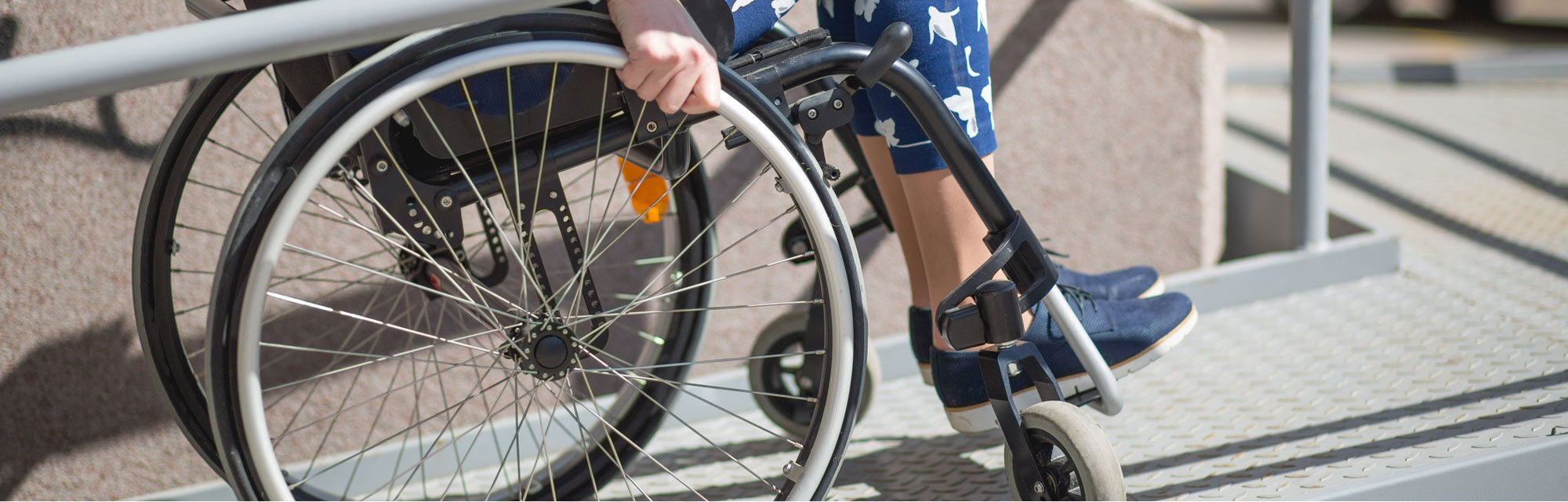
How Caregivers Can Arrange Wheelchair Ramp Rental After a Fall
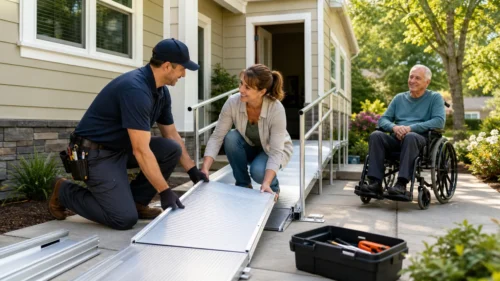
A fall can make a familiar home feel full of obstacles. When a loved one is leaving the hospital with less mobility, steps, tight doorways, raised thresholds, and uneven paths can turn a simple trip outside into a safety concern.
We know caregivers are often handling many details at once, from discharge plans to follow-up appointments. A temporary wheelchair ramp rental can restore safer access while your loved one recovers, without forcing your family to make a permanent decision right away.
Restore Safe Access During Fall Recovery
Coming home after a fall may involve a wheelchair, walker, crutches, or help from another person. If the front entrance has several steps or the back path is uneven, getting through the door can become stressful for everyone involved.
Temporary access support can make it easier to bring someone home sooner and reduce the physical strain placed on family members. Rather than trying to lift a wheelchair over stairs or guide someone across an unsafe surface, you can create a clearer route in and out of the home.
A wheelchair ramp rental can work well during rehabilitation, short-term recovery, or the period when you are considering a permanent accessibility plan. We can help you look at the property, understand the access challenge, and determine what type of temporary system may suit the situation.
Assess Access Needs Before Discharge
Before the discharge date, speak with the hospital discharge planner, occupational therapist, physiotherapist, or home-care team. They may help identify the mobility aid your loved one will use at home. That detail matters because a manual wheelchair, power wheelchair, walker, and crutches can each require different access considerations.
At home, take a close look at every possible entrance. The front door is not always the safest choice. A side or garage entrance may have fewer steps, more room for a landing, or a smoother approach.
Review details such as:
- The number and height of steps at each entrance
- Doorway width and room to turn inside the entry
- Available landing space at the top and bottom of the route
- Driveway slope, pathway condition, and uneven surfaces
- How often your loved one will need to leave for appointments or fresh air
It also helps to think about who will assist with access. A route that seems manageable for one person may be difficult when someone is supporting a wheelchair user, carrying medical items, or helping during wet weather.
Clear photos and basic measurements can speed up wheelchair ramp rental planning. When you share the intended route with us, we can better identify whether a modular ramp, portable ramp, threshold ramp, handrails, or another temporary access system may be appropriate.
Choose a Ramp That Fits the Home
Not every ramp is meant for the same job. The right choice depends on the height change, the available space, the mobility device, and how long the person is expected to need support.
Modular wheelchair ramps can create a stable, gradual route over several steps. Portable ramps may be suitable for smaller height changes or occasional access needs. Threshold ramps can smooth out minor lips at doorways that may stop a wheel or create a tripping point.
Ramp length and slope deserve careful attention. A ramp that is too steep can be hard to manage, especially when someone is pushing a wheelchair or when the surface is wet. Loose boards, plywood, or other improvised materials may shift, crack, or become slippery, so we recommend professional guidance instead of a makeshift setup.
A properly selected wheelchair ramp rental may include features that support safer use, such as:
- Traction-friendly ramp surfaces
- Landings where needed
- Edge protection along the route
- Handrails for added support
- Suitable load capacity for the user and mobility equipment
Professional installation also gives you an opportunity to ask questions about daily use, entry points, and the best way to keep the route clear.
Prepare for Canadian Fall Weather
Late October can bring rain, wet leaves, frost, and early snow. Those conditions can make an access route more difficult, particularly for a person recovering from a fall. Choosing the safest entrance is only part of the plan. The approach to that entrance needs attention too.
Keep leaves, hoses, bins, standing water, and yard items away from the path leading to the ramp. Wet leaves can hide uneven pavement, while water at the bottom of the ramp can freeze when temperatures drop.
For a temporary wheelchair ramp rental, we recommend building a simple routine around changing weather. Clear snow promptly, use suitable traction-friendly de-icing products when appropriate, and do not allow slush to freeze on the ramp surface. Keep drainage areas open so water has somewhere to go instead of pooling near the doorway.
Shorter daylight hours also matter. Good outdoor lighting can make evening arrivals safer for your loved one, support workers, visiting family members, and emergency personnel. Motion-sensor lights, illuminated entryways, and clearly visible pathway edges can help everyone see where they are stepping or rolling.
Coordinate Delivery, Installation, and Support
Early planning can remove some pressure from discharge week. If possible, arrange the wheelchair ramp rental before the discharge date is finalized. Let us know the expected installation date, likely rental period, mobility device, and the entrance you hope to use.
Before installation, confirm a few practical details at the property. Our team will need access to the site and enough room to work safely. It is also useful to identify any gates, landscaping features, parked vehicles, or other obstacles near the preferred entrance.
Ask about the completed setup before the installation team leaves. You may want to review how the ramp is secured, whether handrails are recommended, and who should use the route during daily care. We also encourage families to discuss extension options and removal arrangements in case recovery takes longer than expected.
A flexible rental period can give your family breathing room. You do not need to rush into a permanent modification before you have a clearer understanding of your loved one’s longer-term mobility needs.
Arrange Safer Access Before the First Trip Home
A fall can change a household’s access needs quickly, but a thoughtful plan can make the return home feel more manageable. Review the property, speak with the care team, measure the route, and arrange suitable access before your loved one arrives.
The safest path is one that works for the person recovering, the mobility equipment they use, and the people providing support. Taking care of those details ahead of time can help everyone focus more fully on comfort, recovery, and day-to-day routines.
Get Safe Access Without Added Stress
Regional Ramp can help you arrange a wheelchair ramp rental when accessibility needs change quickly. Our team will help you identify a practical ramp option for the home and recovery timeline. If you have questions or need help getting started, contact us today.